This post was updated Feb. 6 at 1:26 a.m.
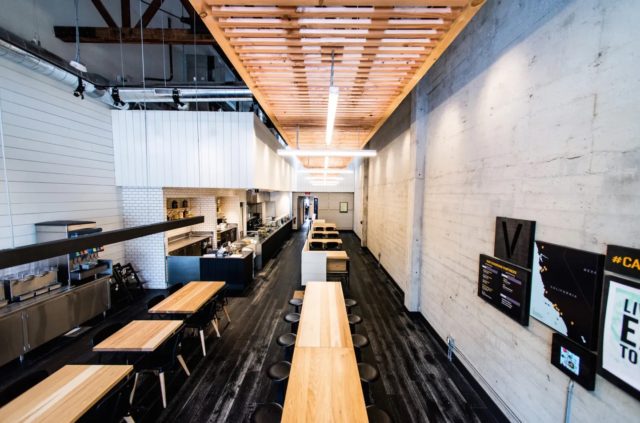
Come lunchtime, Westwood’s fast-casual bowl spots buzz with Bruins, reflecting the traction of what have been dubbed “slop bowls.”
The phenomenon of “slop bowls” is ubiquitous in the dining atmosphere, with restaurants like Gogobop, Falafel Inc and CAVA all around Westwood. Each of these fast-casual locations offers its own cultural spin but follows the same formula: a base of greens and grains layered with protein, toppings and sauce. The appeal for many students, including Alana Roe, a second-year human biology and society student, lies in the customization factor these places all have, she said.
“It’s nice to be able to curate your meals,” Roe said. “I wouldn’t really come here (Chipotle) if it was all just predetermined.”
“Slop” has historically been understood as wet food waste fed to animals, commonly pigs. But the word has gained new meaning in online slang – a recent article from The New York Times uses Merriam-Webster’s 2025 Word of the Year in reference to everything from nonsensical AI-generated media and gluttonous fast-fashion hauls to bowl-based food served at places like CAVA, Sweetgreen and Chipotle. Writers delineate these bowls as customizable, haphazardly mixed-together concoctions designed for efficiency rather than craft.
Garrett Ewald, a UCLA alumnus, attributes this popularity to the restaurants’ comparatively reasonable price points and market positioning, he said.
“I feel like this (fast-casual restaurants) bridges a gap and fills a very important niche in the market, and if more traditional-style restaurants keep inflating prices – which I understand why they probably have to – I feel like it will keep making that gap wider and wider and harder for them to compete,” Ewald said.
[Related: Flavors of Westwood: Westwood fast food fuels UCLA friendships]
Another cause of the college cultural cachet of slop bowls is volume and value, said Eunice Ahn, a fourth-year mathematics of computation student. She favors CAVA out of the many “slop bowl” options Westwood has to offer and appreciates how one liberally portioned order reliably becomes lunch and dinner, she said.
“I tend to put everything, literally everything, because the price is already set, so I might as well maximize,” Ahn said. “I also like all the ingredients.”
Similarly, Ewald said he usually turns his Gogobop bowl into two meals and that he tries to maximize in terms of add-ons.
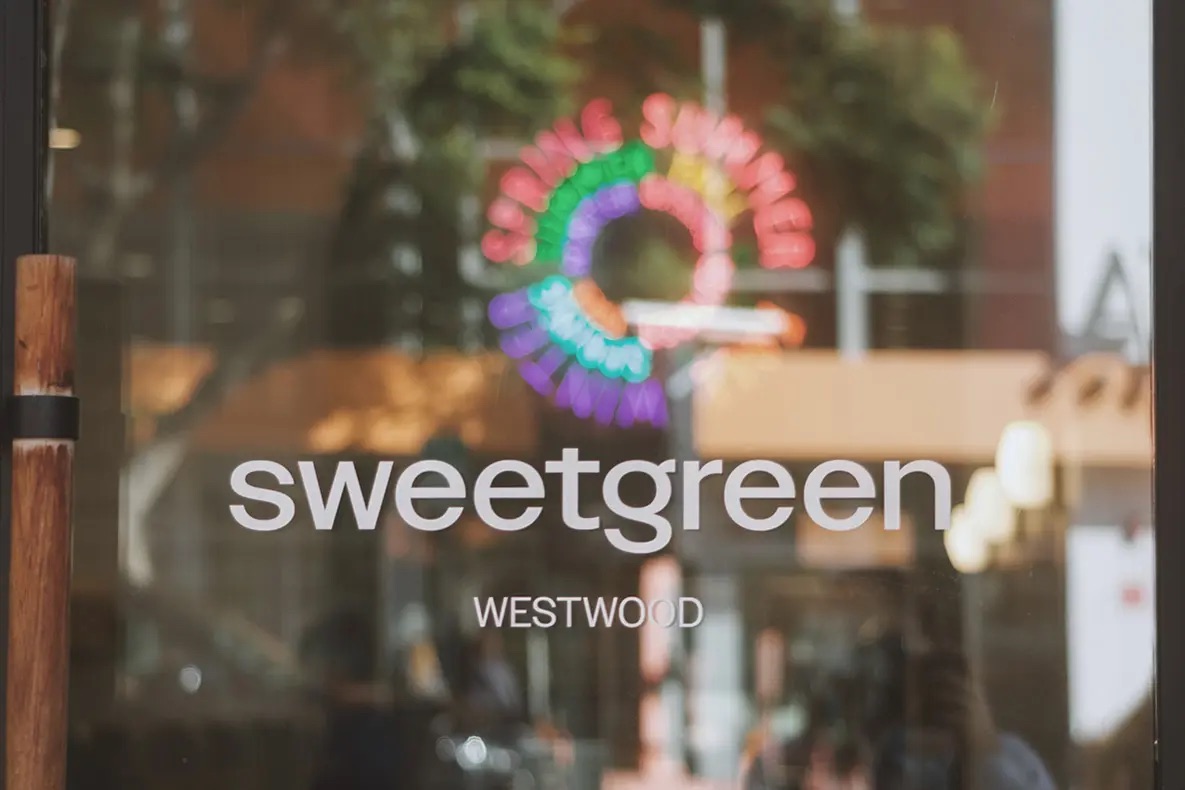
Another bonus of these customizable meals is that they offer a degree of control over personal health, Ahn said. Sweetgreen displays the nutrition facts of its options, which gives consumers the power to make conscious choices, she said. The agency over protein intake is a major appeal of Chipotle, Roe added.
Perhaps the convenience and accessibility are what puts slop on top for Bruins. Ewald said places like Gogobop are a middle ground – faster and more casual than a sit-down joint but a step above fast food in quality. He said because these bowls are mixed together in one bowl, one doesn’t have to be intentional with each bite.
“A random bite will give you an amalgamated experience of the entire thing,” Ewald said.
Beyond the allure of customization and generous portions, slop bowl restaurants also entice college students with what they offer socially. Ahn said places like CAVA feel like a safe spot when meeting friends. They are accessible and agreeable to most people, she said. This reflects the tight schedules, fast pace and heightened desire to be healthy among college students and younger working professionals, Ewald said.
The name itself, though, remains divisive. Ahn said “slop” carries a negative connotation and leads to an unappealing image of the otherwise beloved food. She said the bowls’ popularity, however, could validate the term as a viable marketing tool if embraced. Ewald said he finds the name accurate but feels it degrades the quality of the food and does not necessarily need to be adopted by the chains for any reason other than to incite a mini viral reaction. Roe said the name reminds her of pig food and is “definitely not Chipotle.”
Ultimately, students characterized slop bowls as a response to the demands and dynamism of college life, not as a replacement for traditional dining.
“It (the term “slop bowls”) makes me think of how fast-paced modern American society is,” Ewald said. “It makes me think of how we’re so overwhelmed with choice nowadays that trying to find a good local mom-and-pop restaurant that you would want to eat at is harder. … It’s a shortcut.”

Comments are closed.