
This post was updated Feb. 16 at 9:35 p.m.
With the overdue winter weather, art exhibits are the perfect place to wait out the rain.
Across Los Angeles, museums have exciting new collections for art lovers. The city’s new chapter of art brings an inside look into art history and different cultures. If looking for a relaxing winter day, Bruins are sure to find an exhibition catered to their taste.
Read on for the Daily Bruin’s picks of the best art spots in LA.
“Deep Cuts: Block Printing Across Cultures” (Los Angeles County Museum of Art)
Step onto the oldest surviving method of mass image reproduction.
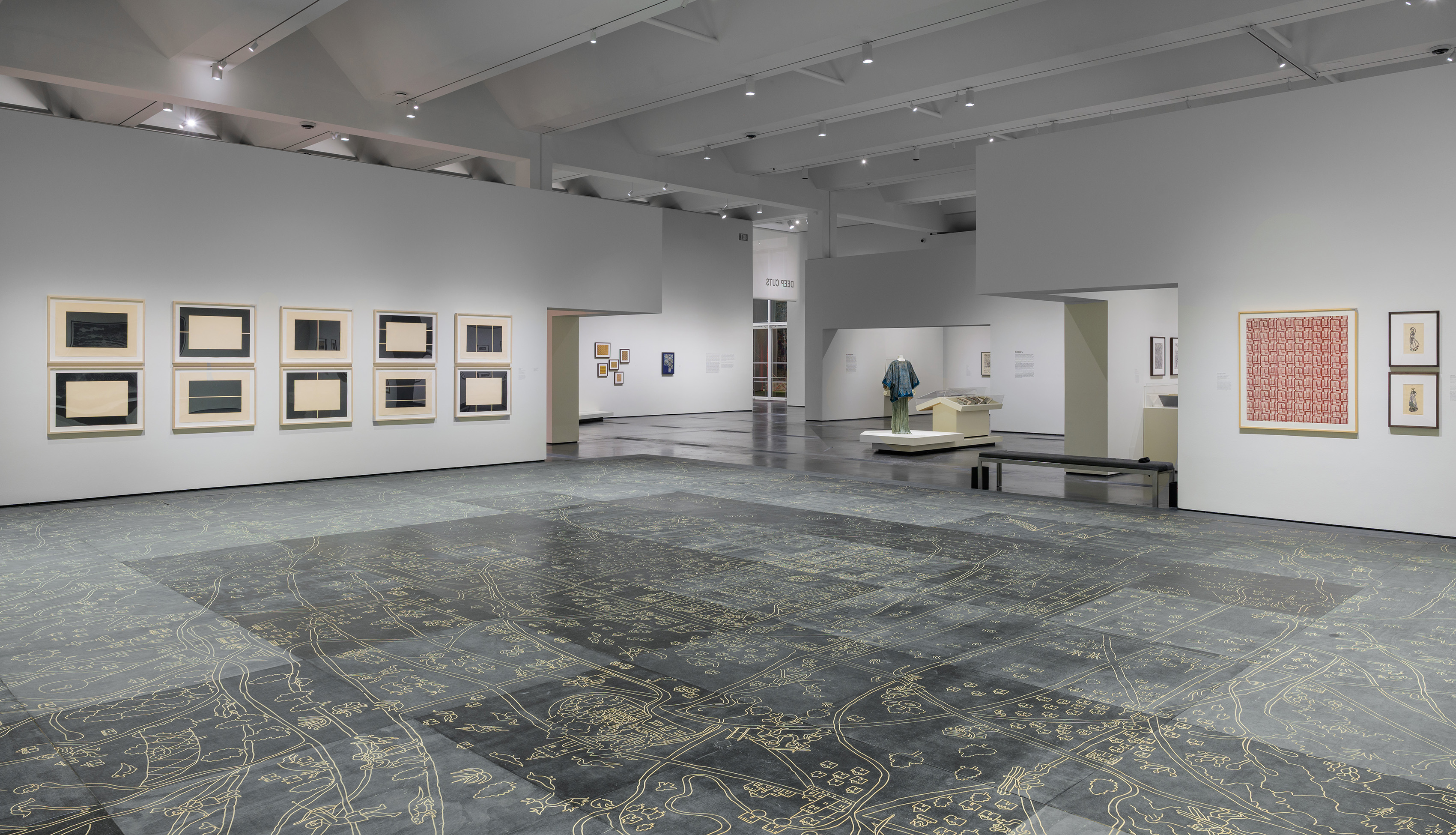
Mariana Castillo Deball designed “Vista de Ojos” – an enormous wooden impression of the Santa Cruz Map, the earliest known map of Mexico City – to be installed on the floor and walked on, laying a unique groundwork for more than 150 pieces dwelling in the LACMA exhibit. “Deep Cuts: Block Printing Across Cultures” is a multimedia, cross-cultural testament to the persisting artistic gravity of block printing. Until Sept. 13, visitors can experience the late Edo period through an Indian chintz kimono and contemplate the intricacies of modernity through German expressionism.
Block printing has remained the tried and true technique for putting ornamental motifs on cloth and paper since its 8th-century origins. Organized thematically, pieces in the exhibit span Asia, Europe and the Americas, embodying centuries of ideological, material and cultural propagation. From the expansion of Buddhism across Asia to modern design movements like arts and crafts in Britain, devotional objects, prints and garments trace a historical continuum.
True to its medium, “Deep Cuts” leaves LACMA-goers with imprints that endure.
– Emily Berkowitz
[Related: Book Preview: Winter reads bring thematically rich novels from returners and debut writers alike]
“Belongings: Changing Hands and Shifting Meanings in African Arts” (Fowler Museum)
At the Fowler, meaning moves with the viewer – literally.
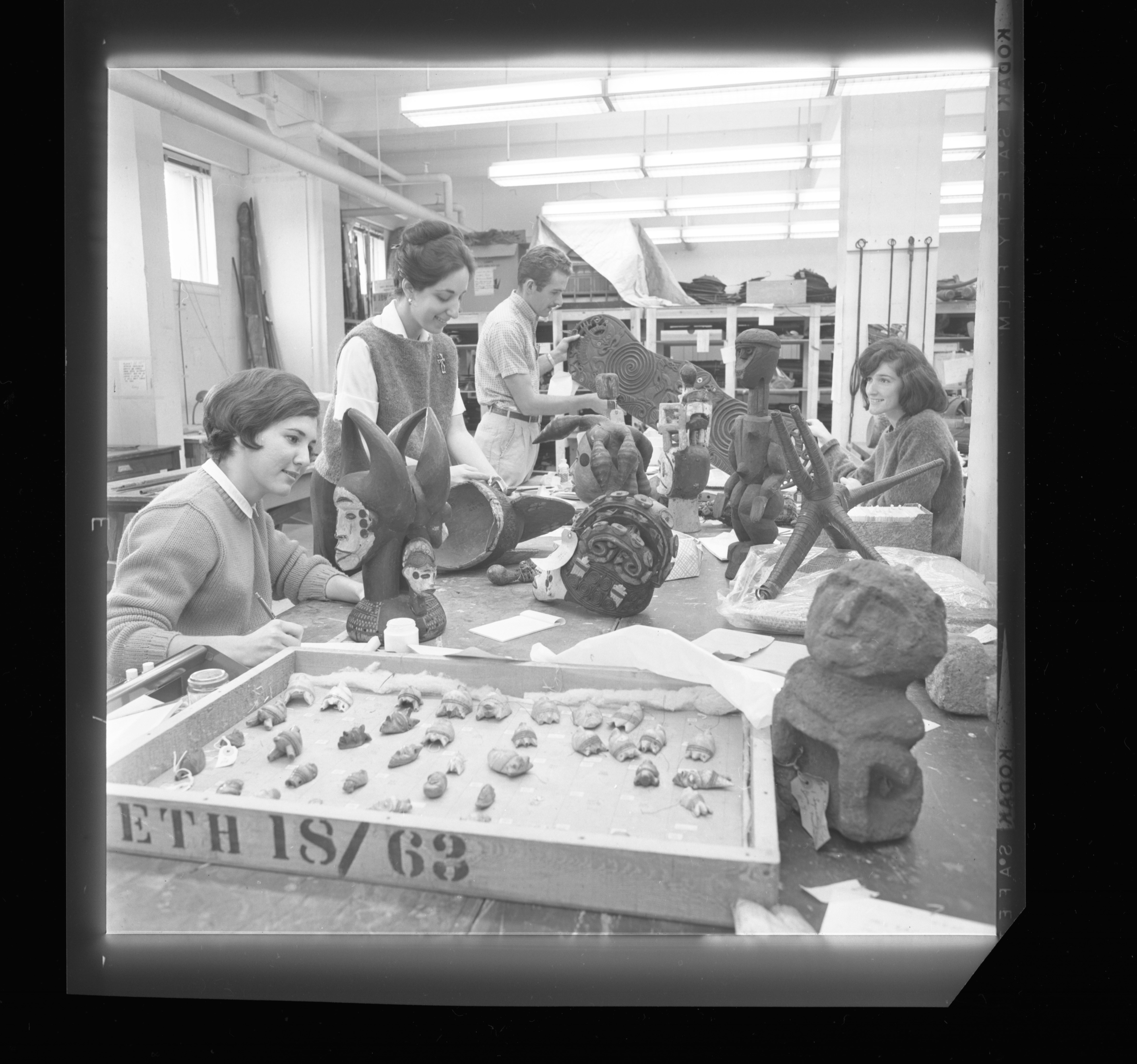
“Belongings: Changing Hands and Shifting Meanings in African Arts” is on display at the Fowler Museum until summer 2026. The exhibit traces the physical journey of African historical artifacts through time and considers how the meaning of the pieces has evolved. Works in “Belongings” have traveled from their home continent to the collection of European imperialists and, finally, to the Fowler.
The exhibit is co-curated by Erica Jones and Carlee Forbes. Jones is senior curator of African arts and manager of curatorial affairs at the Fowler. Her work has focused on understanding the traces of European colonization in Africa through art – one of the central themes of the exhibition. Forbes is the associate curator of African and Oceanic art at the Baltimore Museum of Art. Jones and Forbes’ collection is divided into four sections: African makers and owners, European tokens of empire, the market for African arts in Europe, and arrival at the Fowler Museum.
While meaning ebbs and flows at “Belongings,” a visitor’s artistic appreciation can only grow.
– Julia Kinion
“How to Be a Guerrilla Girl” (Getty Center)
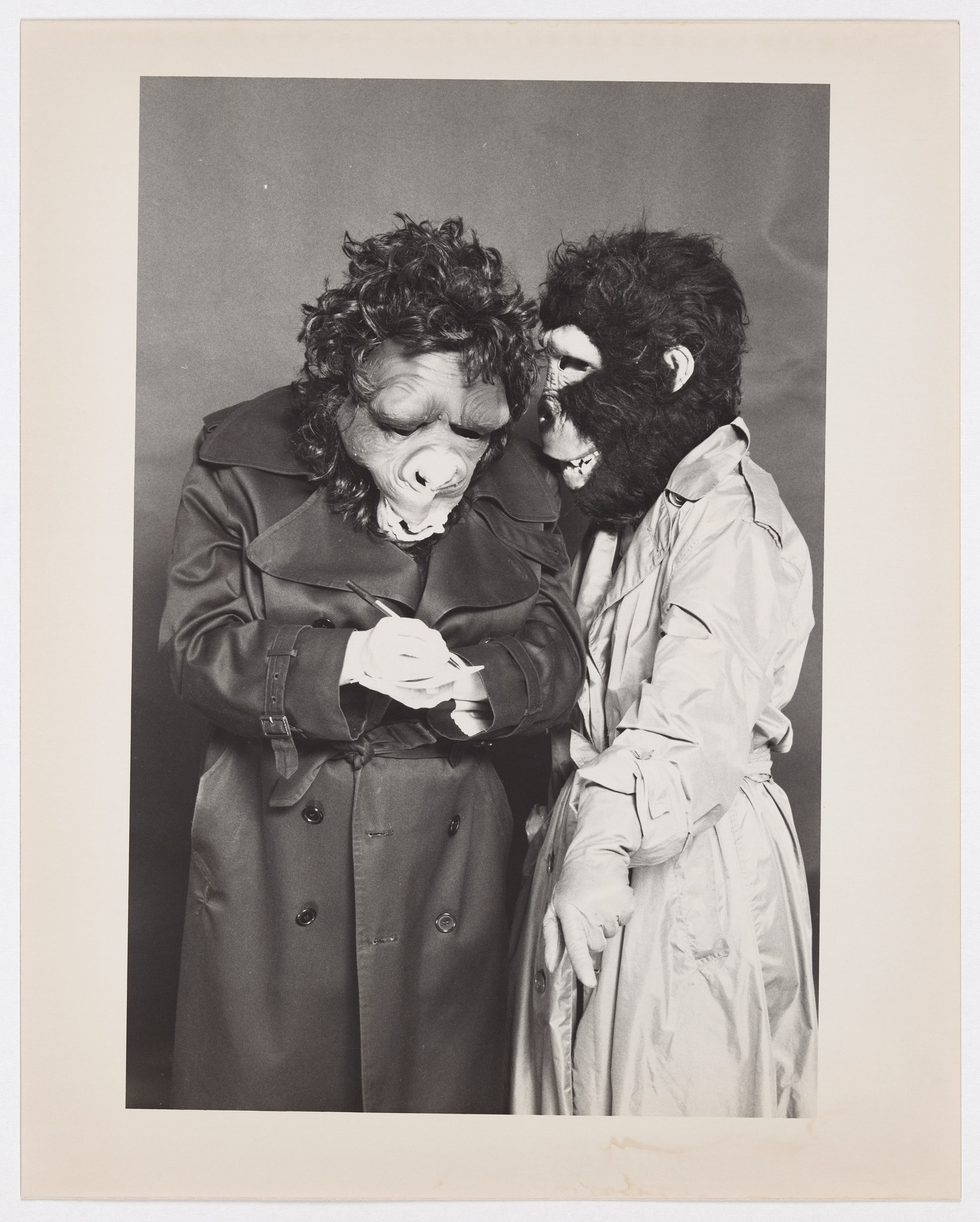
Anonymous, masked and unrelenting, the Guerrilla Girls take over the Getty.
“How to Be a Guerrilla Girl” offers an exclusive look at the actions and impact of the feminist collective at the Getty Research Institute. The exhibition has been on view since Nov. 18 and will be open until April 12. Forty years since the founding of the intersectional feminist group, the exhibition explores the history of the Guerrilla Girls and their unwavering commitment to equity through intervention. Featuring posters, fan mail, photoshoots and audio recordings, “How to Be a Guerrilla Girl” contextualizes the group’s efforts and expands upon their critical approach to art history.
Since the 1980s, the Guerrilla Girls have turned satire, eye-catching graphics and statistics into a form of mass-media protest. The Getty’s presentation spotlights the collective’s signature strategies – anonymity, data-driven research and grassroots organization – while inviting visitors to see their work as a toolkit for challenging inequality in cultural institutions and beyond.
From the archives to the gallery, “How to Be a Guerrilla Girl” proves protest can be poster-perfect.
– Presley Liu
[Related: TV Preview: From gripping mysteries to feel-good favorites, this winter’s TV slate delivers]
“Five Centuries of Works on Paper: The Grunwald Center at 70” (Hammer Museum)
This winter, the Hammer Museum is embarking on its latest historical journey with paper at the helm.
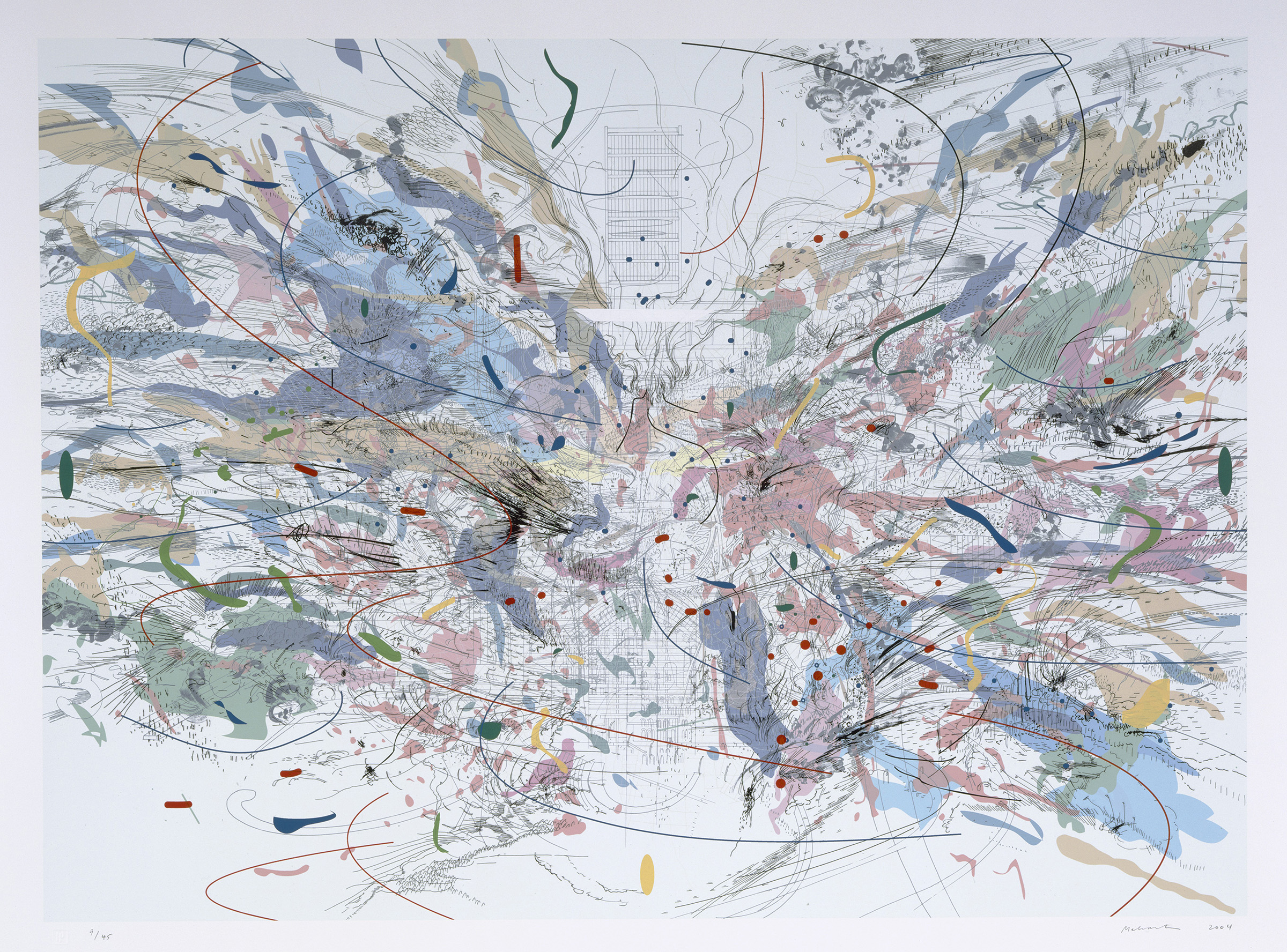
Available until May 17, the exhibit “Five Centuries of Works on Paper: The Grunwald Center at 70” displays a fraction of the more than 45,000 works on paper collected by the UCLA Grunwald Center for the Graphic Arts. As a celebration of the Grunwald Center’s 70th anniversary, the exhibit selects about 100 prints, drawings, photographs and artists’ books that illustrate the collection’s breadth, with pieces from the Renaissance to the present day.
Established in 1956 by Fred Grunwald, the Grunwald Center has cemented itself as a major collector of works on paper, along with providing artistic teaching and research resources. From the etched landscapes of Rembrandt to the plastic takeout bag prints of Analia Saban, the Hammer exhibit will feature the work of over 90 artists with a plethora of styles and techniques.
With a sheer magnitude of scope tempered by its familiar medium, the Grunwald Center’s collection opens an aesthetic portal into the past.
– Gwendolyn Lopez
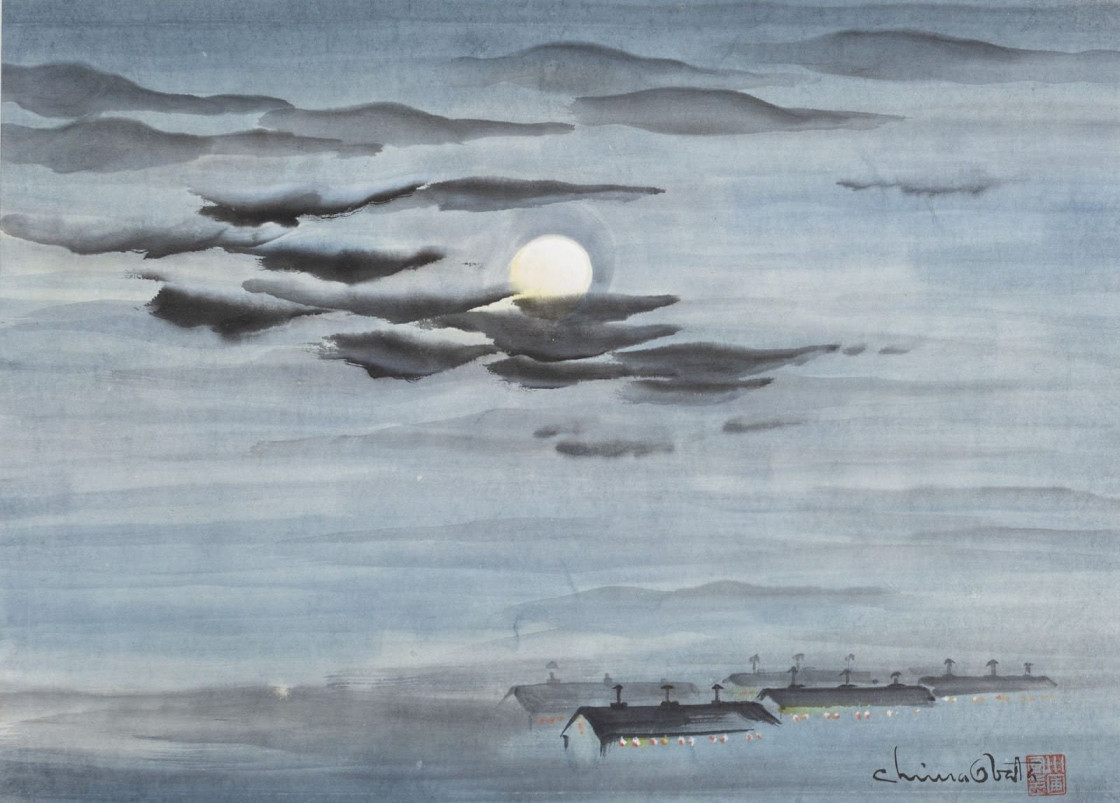
“Afterlives: Japanese American Artists and the Postwar Era” (The Museum of Contemporary Art)
One of the most essential qualities of art is its ability to live on.
In an upcoming exhibition at The Museum of Contemporary Art, this principle comes into focus with “Afterlives: Japanese American Artists and the Postwar Era.” The collection concentrates upon the work created by Japanese American artists in the wake of Executive Order 9066 and the forced imprisonment of more than 120,000 Japanese Americans in internment camps during World War II. The new exhibition makes its public debut Feb. 28 and will be on view until September 2027.
The exhibit will feature displays across several mediums, from photography to watercolor paintings, in an attempt to challenge preexisting perceptions of postwar artistry. In addition to detailing this chapter of American history, the exhibition seeks to communicate transpacific perspectives to center Japanese American pieces in the broader conversation of modernist artwork of the mid-20th century.
As with so many past MOCA exhibitions, museumgoers can expect an intersection of education and expression capable of illuminating a new understanding.
– Reid Sperisen




Comments are closed.