
Spring brings a fresh new palette.
There are only a few weeks left of spring quarter and there is no better way to take a break from exams than exploring Los Angeles. With a variety of art hubs across the city, students are sure to find an exhibition fit to their interests – from shows diving into past civilizations to the work of iconic artists.
Continue reading to know more about the Daily Bruin’s art bucket list.
“The Egyptian Book of the Dead” (Getty Museum)
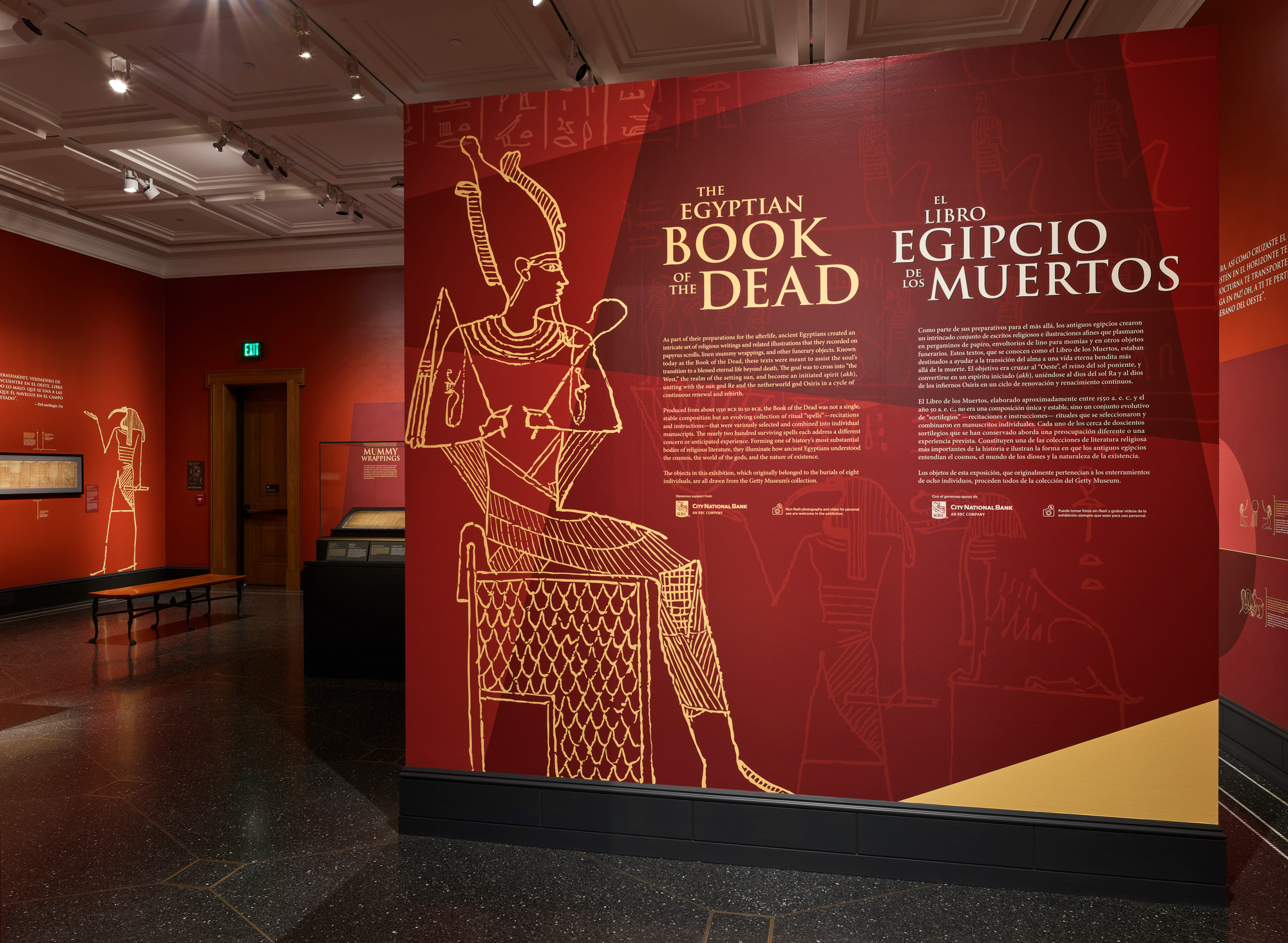
“The Egyptian Book of the Dead” has been revived at the Getty Villa.
On view from March 4 to Nov. 30, this exhibit presents a series of manuscripts from the Book of the Dead. The Book of the Dead is a religious text designed to help ancient Egyptians achieve a prosperous afterlife. This exhibit was previously on display at the Villa in 2023, and it showcases the cosmology and belief systems of the ancient Egyptians.
The Book of the Dead was compiled on papyrus scrolls and linen wrapping and spanned over a thousand years of history, from 1550 BCE to 50 BCE. During the early period of creation, papyrus scrolls were commonly used by wealthy patrons while during later periods engraved linen used in mummification became the preferred method of receiving protection as people journeyed into the afterlife.
Back from a three-year burial, the Book of the Dead has risen again.
– Julia Kinion
[Related: Video game preview: Familar franchises, action-packed entries hit consoles this spring]
“Several Eternities in a Day: Form in the Age of Living Materials” (Hammer Museum)
Walls hum and the scent of soil wafts through the gallery at the Hammer Museum.
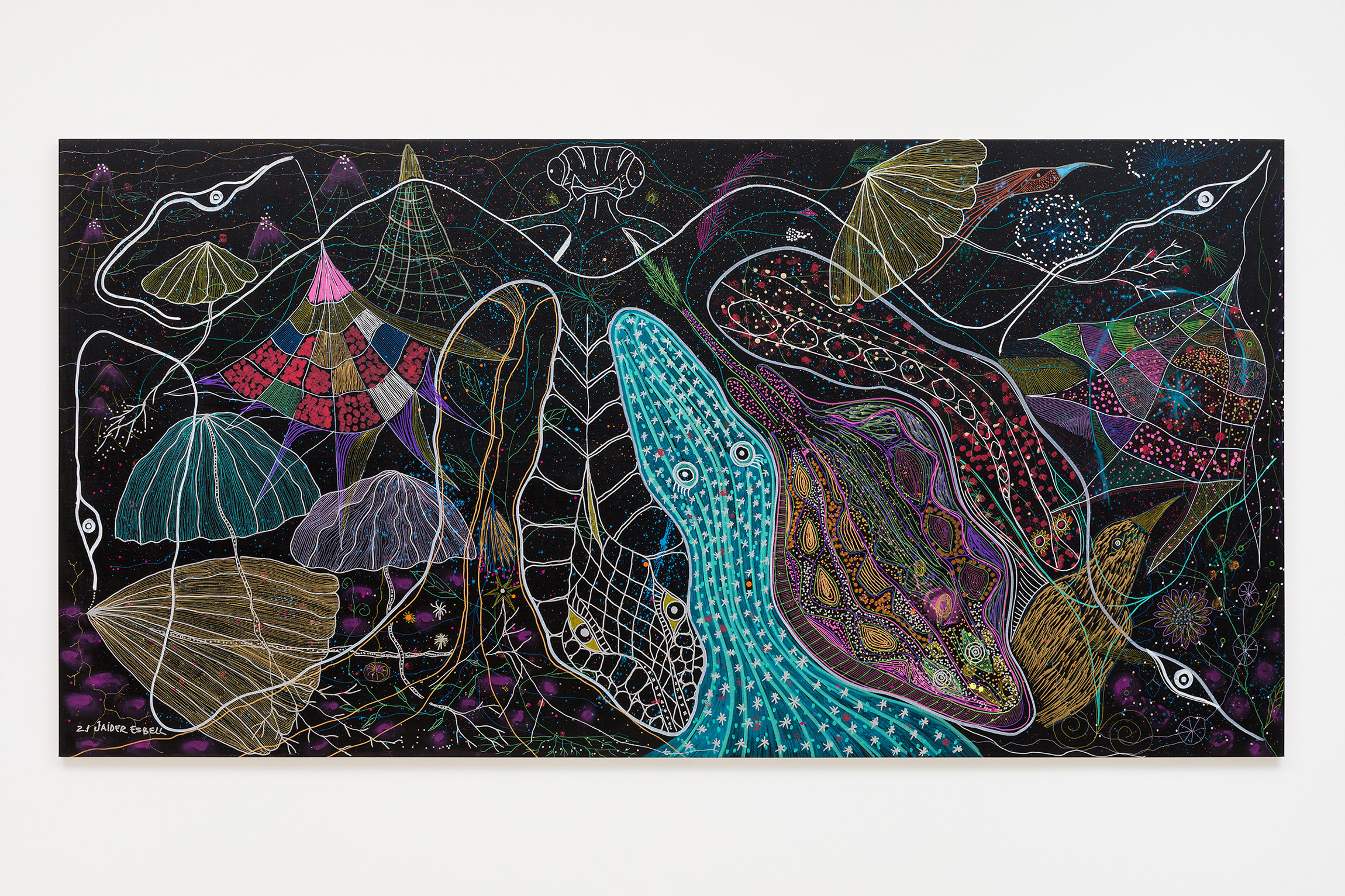
“Several Eternities in a Day: Form in the Age of Living Materials,” on view until Aug. 23, is the works of 22 Indigenous and Brown artists from North, Central and South America which explore the dynamism of living materials. Utilizing mediums like cochineal, cacao, clay and achiote these artists meditate on how contemporary art can preserve ancestral knowledge and spiritual connection through materials that decay. Featuring large-scale installations, paintings, sculpture, works on paper, sound pieces and film, the exhibit is centered around the multisensory experience of art, inviting visitors to touch, smell and listen.
Structured into three “acts,” the exhibit transitions from large earthen installations and intricate avocado paintings to cosmic abstraction and clay-made forms. Sonic pieces by artists including Raven Chacon immerse viewers and encourage them to engage their senses, while works from Jackie Amézquita and Esteban Cabeza de Baca foreground the lives of their materials – both spiritual and physical.
By accentuating mediums that resist permanence, “Several Eternities in a Day” transforms the gallery into a space where art breathes, grows and remembers.
– Emily Berkowitz
[Related: TV preview: New shows and returning favorites will brighten up this spring]
“The Sound of Gordon Parks” (California African American Museum)
This spring, the legacy of Gordon Parks is being explored in new mediums.
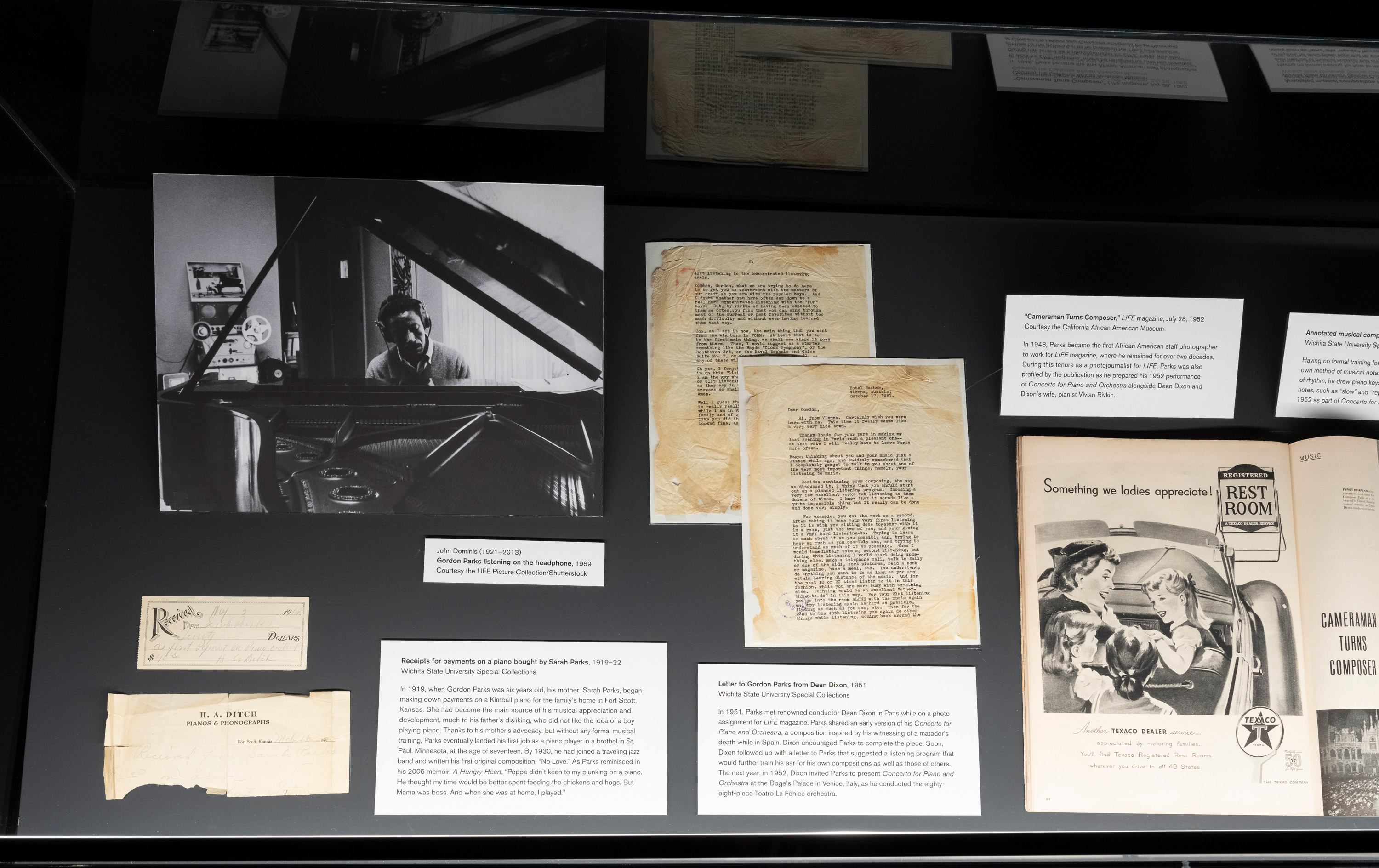
The late multihyphenate artist – who was born in Kansas in 1912 and died in 2006 in New York – was known for his writing, photography and filmmaking chronicling the treatment of Black Americans and the evolution of the Civil Rights Movement, particularly between the 1940s and the 1970s. Now, an exhibition at the California African American Museum is introducing guests to his underappreciated musical work. “The Sound of Gordon Parks,” created in collaboration with Parks’ musical assistant Mario Sprouse and The Gordon Parks Foundation, opened April 7 and will run through Sept. 13.
The exhibition delves into the wide range of Parks’ musical projects. These works include the score for the acclaimed 1969 film “The Learning Tree” that he also directed and co-wrote, as well as his 1952 recording “Concerto for Piano and Orchestra.” The music being showcased is especially significant because some of the demo recordings and compositions have not been heard before.
For a visionary with Parks’ talent, museumgoers won’t want to miss this retrospective of some of his most intimate, unsung outputs.
– Reid Sperisen




Comments are closed.