President Donald Trump’s One Big Beautiful Bill Act will limit certain federal student loans, deterring some students from attending professional schools.
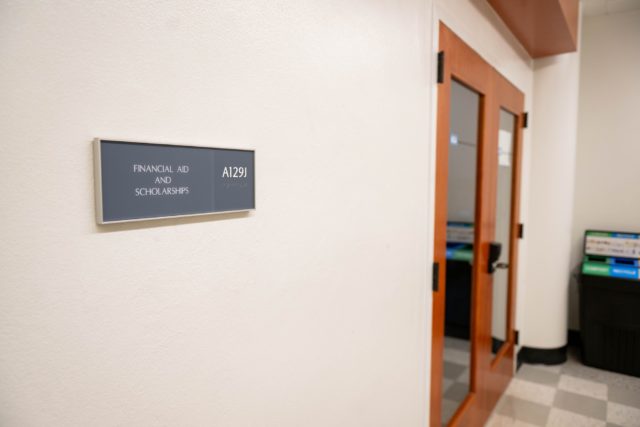
The bill will limit borrowing for professional schools – including law and medical degree programs – to $50,000 each year and $200,000 in total starting July 1, according to the UCLA Financial Aid & Scholarships website. It caps borrowing for graduate degrees at $20,500 each year and $100,000 total.
The limits apply to direct unsubsidized loans, which are the only federal loans available to graduate and professional students. The bill will also cap lifetime borrowing for all federal direct loans, which includes undergraduate and graduate borrowing, at $257,000.
“I’ve been trying to figure out a game plan where I’m not facing hundreds of thousands of dollars of debt, and I just can’t seem to figure (out) a solution,” said Jennifer Ulloa De La Torre, a fourth-year political science student, who hopes to attend law school after graduating.
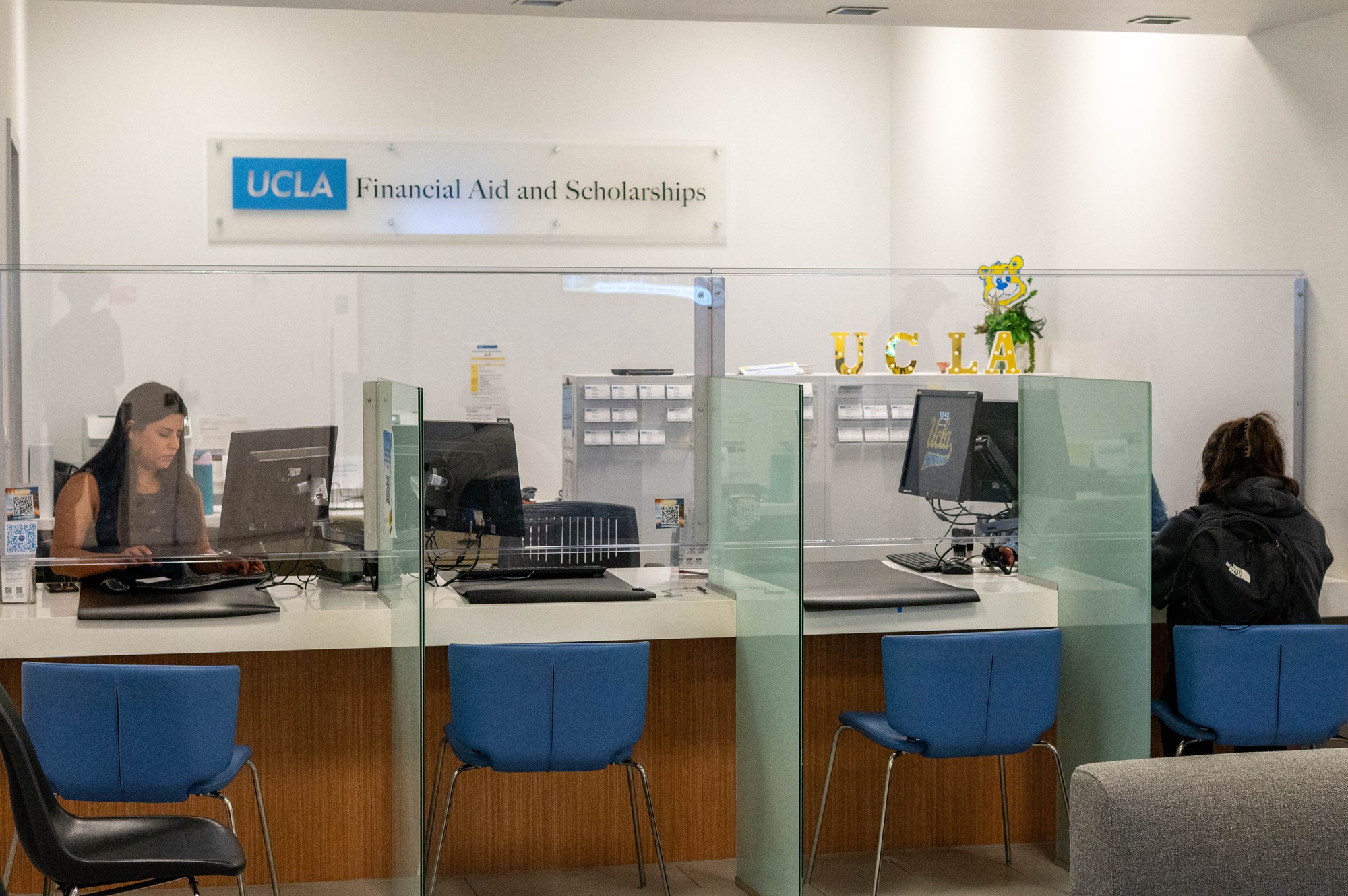
A UCLA Financial Aid spokesperson said in an emailed statement that summer 2026 federal loan offers and processing are expected to be delayed until the week of June 22 because of the new regulations. However, the delays should not impact other aid students might receive, the spokesperson added.
Ulloa De La Torre, a first-generation student, said she planned to use federal loans to pay for law school. However, she now plans to take out private loans and seek additional scholarships to cover her cost of attendance because of the new restrictions, she added.
Ulloa De La Torre said she hoped to attend the UCLA School of Law or the University of Southern California Gould School of Law. Tuition starts at about $64,800 and $86,500 per year, respectively, according to the universities’ websites.
“My parents can’t guide me through that process – neither can any of my family, because they haven’t been faced with having to take out such large amounts of loans,” said Ulloa De La Torre, who is also the vice president of UCLA’s Pre-Law Transfer Society. “It’s a very scary path ahead of us.”
Trump’s reconciliation bill will also eliminate Grad PLUS Loans – which graduate and professional students could use to pay up to their program’s full cost of attendance – for new borrowers starting July 1. It will limit Parent PLUS Loans, which allow parents of undergraduate students to borrow money for their education, to $20,000 per year and $65,000 total per student.
About 6% of UC undergraduate students have parents who use Parent PLUS Loans, the UCLA Financial Aid spokesperson said in the statement. The spokesperson added in the statement that most parent borrowers – including 91% of those who are not California residents – currently borrow more than $20,000 per year. The restrictions only apply to loans taken out after July 1, according to UCLA Financial Aid & Scholarships.
Taking out private loans that lack fixed interest rates or payment deferment options is especially intimidating, Ulloa De La Torre said. Fixed rates ensure borrowers’ interest rate does not change during the period of the loan, and payment deferment allows borrowers to pause payments for a certain period, such as when they are in school.
Steven Kochert-Springer, a UCLA alumnus seeking to pursue medical school, said relying on private loans will leave him with more debt than he had planned for. He added that he plans to spend more time working to secure competitive scholarships and full-ride opportunities because of the new federal loan restrictions.
“I had to make a lot of sacrifices, a lot of changes in my life to be able to afford – even with the loans – to be able to afford going to just my postbacc program,” Kochert-Springer said. “I’m getting so close to my goal, but there’s that barrier of not being able to pay for it. It’s sad, and it’s infuriating.”
Edwyn Lozano, a UCLA School of Law student, said he believes the limits on federal student loans could disproportionately impact first-generation and low-income students and deter them from attending law school.
“You’ll have clients who feel less supported by their counsel. You’ll have clients who are not going to feel seen through their stories,” Lozano said. “You’re going to have more language barriers between clients and attorneys.”
Many law students who are passionate about public interest law – a branch of law that advocates for the rights of historically marginalized groups – end up pursuing corporate law, which offers higher salaries to pay off their debt, Ulloa De La Torre added.
Ulloa De La Torre said she hopes to pursue immigration law to help people from backgrounds similar to those of her parents, who were previously undocumented. She added that she plans to pursue a master’s or doctoral degree in addition to attending law school.
However, Ulloa De La Torre said she is considering sacrificing her passion for law and academia to ensure she and her family are financially stable.
“This is going to stop a lot of very determined and ambitious people whose calling is law,” Ulloa De La Torre said. “There shouldn’t be a price on your dreams.”


Comments are closed.