The intersection between sports and politics is often overlooked, despite how common the crossover is.
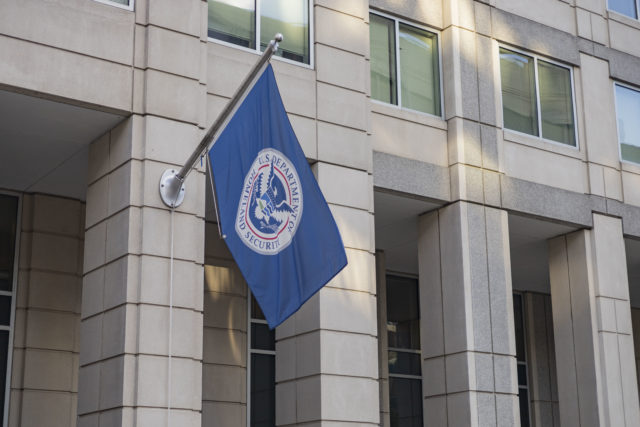
The Department of Homeland Security issued a July 17 ruling eliminating the previous “Duration of Status” policy, which allowed international students with F, J and I classifications on their nonimmigrant visas to remain in the United States so long as they were in the process of completing an academic program, regardless of the length.
The new restrictions established a fixed period of four years for students to complete their academic programs, mandating strict exceptions for any first-year students who wish to transfer or change their majors. Additionally, graduate students may not change their degree plans or transfer at all.
While the DHS stated that the policy is intended to prevent fraud and the abuse of foreign student visas, international athletes are now left at an unprecedented crossroads – one that could impact the future landscape of the NCAA.
The proportion of Division I athletes that come from overseas has hovered around 7% in recent years, with over 13,000 student-athletes in 2025. However, several sports are notably above the national average, with men’s tennis just over 36%, men’s soccer above 19% and women’s basketball north of 10%.
And these metrics are not just chance, either. College programs actively recruit some of the world’s best talents.
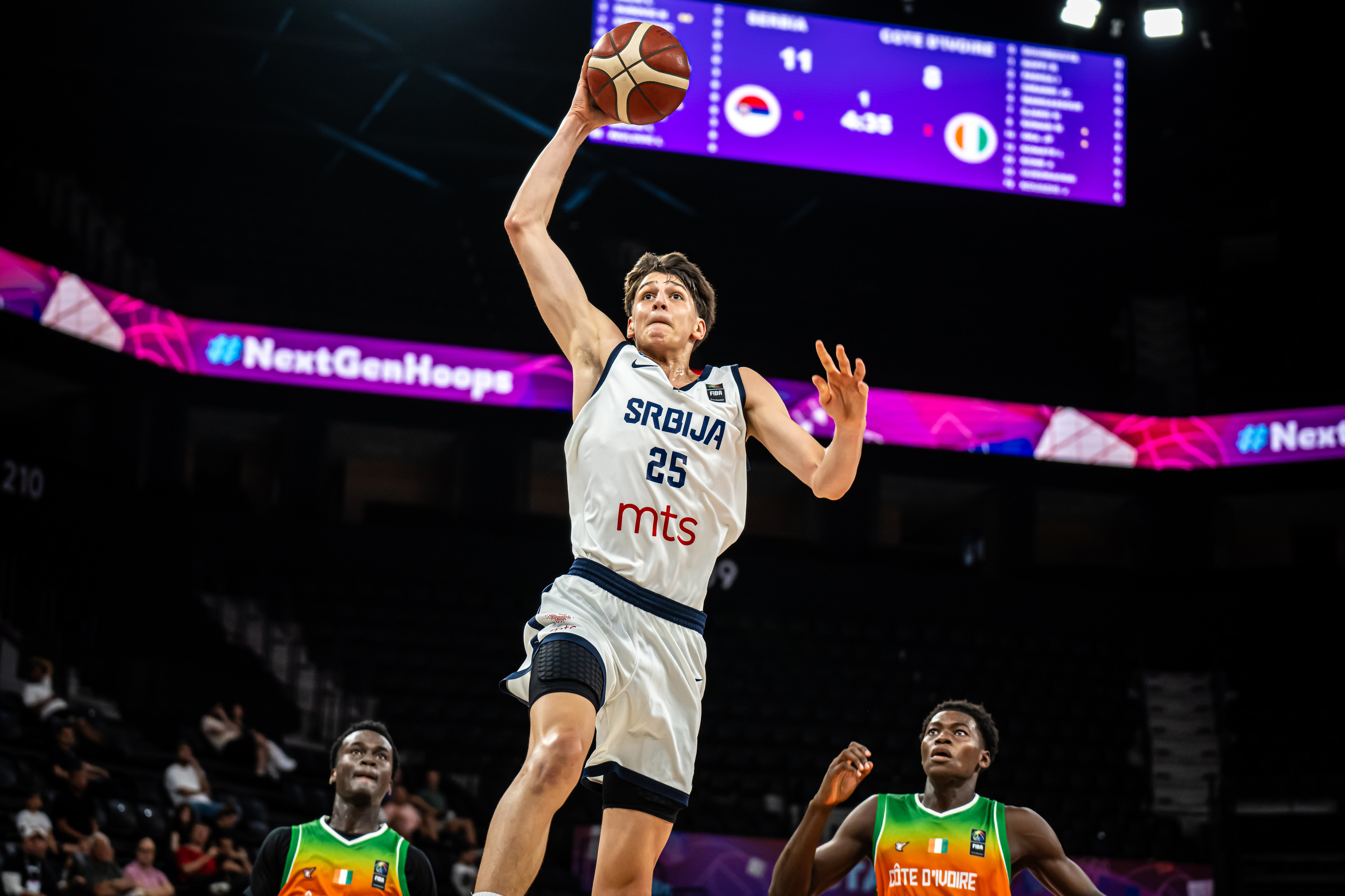
Just this past offseason, two of the biggest men’s basketball recruits entered the American scene, with forward/center Joaquim Boumtje Boumtje committing to Duke and guard/forward Nikola Kusturica heading to UCLA. The incoming freshmen were teammates on FC Barcelona and are projected top-three picks in the 2028 NBA Draft, where they will likely go after two years of collegiate basketball to meet the age eligibility for the league.
[Related: Serbian star Nikola Kusturica joins UCLA men’s basketball roster]
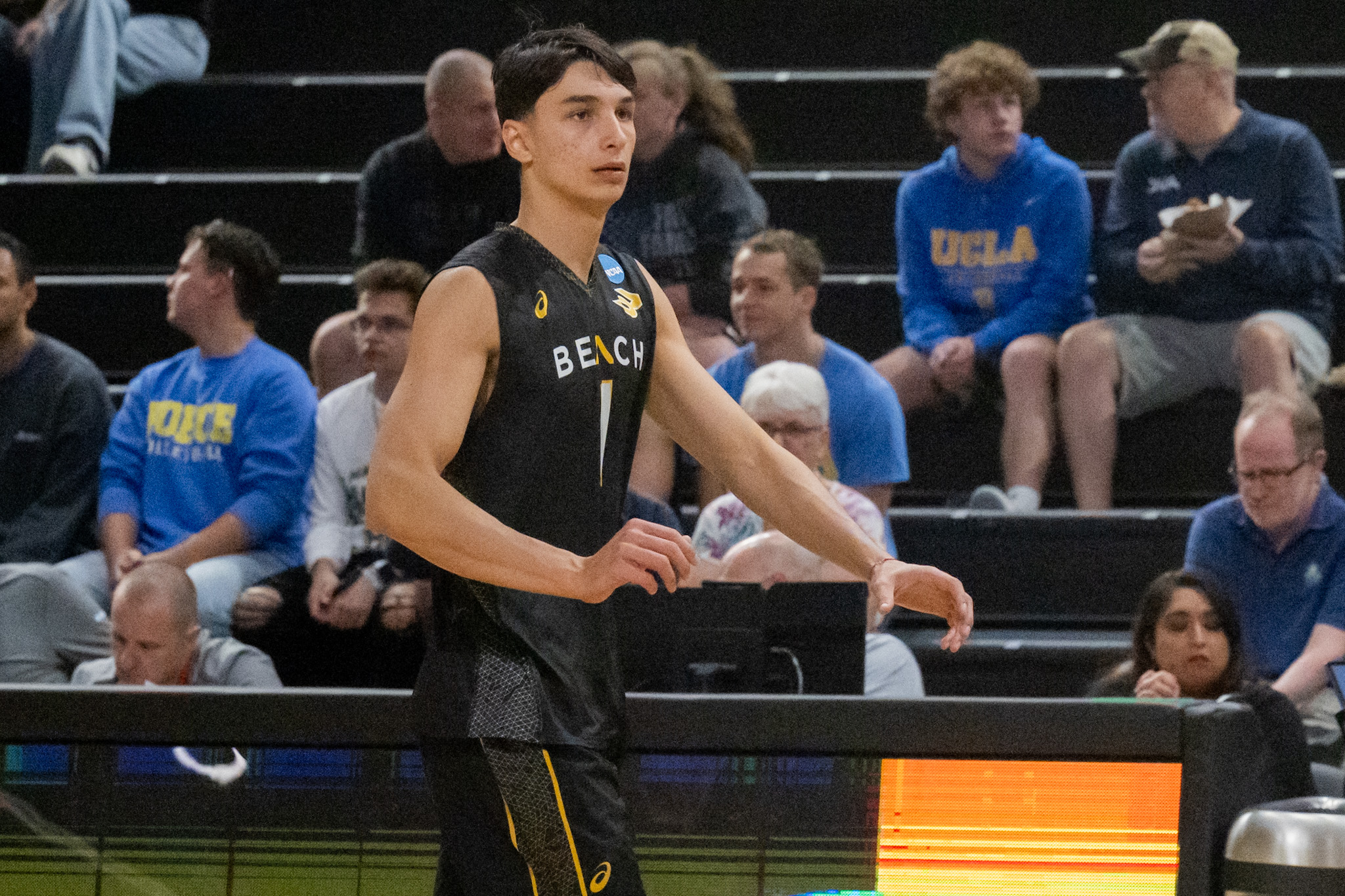
In the volleyball world, the 2025 campaign was headlined by Long Beach State setter Moni Nikolov. The Sofia, Bulgaria, local played just one season in America but captured both the AVCA National Collegiate Player of the Year and Newcomer of the Year awards – just the second person to ever do so after his older brother, Alex – while leading the Beach to a national championship.
It is no secret that the strongest players are scattered all across the globe, but the premier nature of the NCAA has attracted many of them to travel hundreds of miles from their homes to compete among some of the best.
And this has ultimately shaped how teams go about their recruitment efforts.
Integral to UCLA men’s basketball is assistant coach and director of international recruiting Nemanja Jovanovic. Serving as an assistant coach for Serbia’s senior national team, Jovanovic was vital to Kusturica’s recruitment and has spearheaded scouting efforts abroad for the Bruins over the last three seasons.
While most NCAA programs do not have the luxury of expansive staff and budgets that professional leagues do, the importance of international connection cannot be overstated. Despite the difficulties in potentially committing more time and resources to finding overseas talent, the impact of international players through the past few years gives reason for it to feel warranted.
However, the DHS’s new policy may undermine that willingness.
With international players largely losing their autonomy when it comes to transferring – a trend that has overwhelmingly increased across the NCAA – teams may be less inclined to commit to bringing in players who are not even guaranteed to compete for a full four years.
These developments also contradict the NCAA’s new age-based eligibility rules that automatically provide student-athletes with five years of competition without having to petition for a redshirt, which international students will no longer be able to benefit from.
But is the risk of something like injury enough to even slightly deter teams from overseas recruitment? Of course, I am not the one behind these closed doors, but it would not be unreasonable to think there is some kind of ramification there.
Moreover, for the players, not having full control over where they may want to commit or transfer may make NCAA competition less glamorous. Additionally, while NIL prospects have brought college competition on par financially with professional overseas leagues, not having a full five years to maximize profits may further disincentivize coming to the U.S.
While it would be ludicrous to say these new circumstances eliminate the presence of international athletes, it would be remiss to say there will not be any kind of aftermath.
Even for athletes who still choose to make their way to the U.S., the strict immigration window impacts how early they can come over to practice. Such individuals may also be more selective in which programs they decide to commit to, only joining schools they believe give them the best chance at winning or even the richest contract.
While there will always remain a risk for schools and international athletes to commit to each other – whether it be injury or a delayed degree plan – it is hard to imagine a world where the NCAA loses all of its appeal.
No one doubts this is a confusing time, as NCAA policies seem to be clashing head-on with the government itself.
And we may not even see the fallout until 2027 – the first full summer under all these new rules.
But I guess that is just the reality we are going to live in.


Comments are closed.