A UCLA lecturer illustrates the depth of Indigenous knowledge by blending art history and botany.
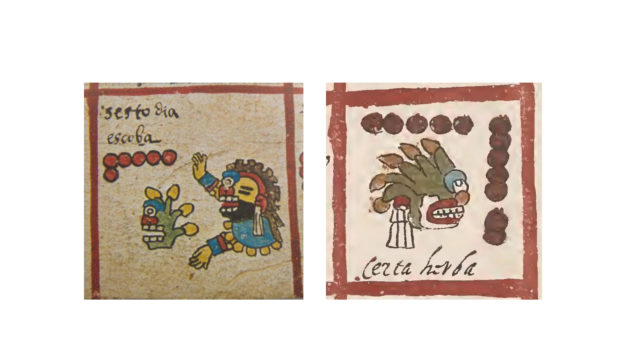
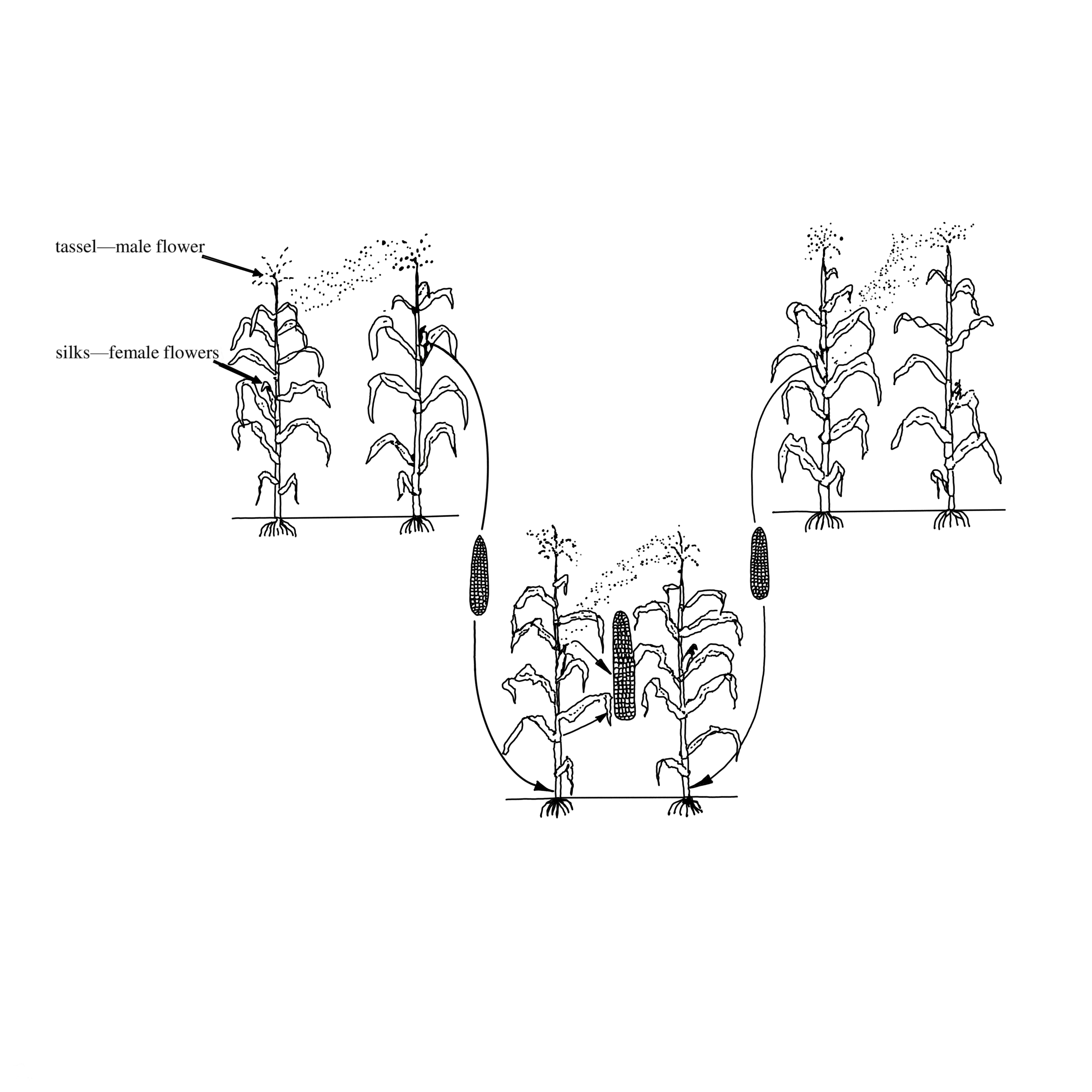
Helen Burgos-Ellis, a continuing lecturer at UCLA’s Department of Chicana/o and Central American Studies, published “Aztec Science: The Genetic Origin of Maize, Pollination, and Plant Sexuality Recorded in Art” on Sept. 7. The book analyzes depictions of maize, grass and religious figures in Aztec art to argue that Indigenous people in Mesoamerica had a scientific understanding of the sexual reproduction of corn.
The book is significant because Indigenous contributions to science are frequently underestimated, Burgos-Ellis said. Her project initially faced criticism and dismissal from scholars who believed Aztec people did not possess scientific knowledge, she added.
“The book ‘Aztec Science’ gives credit to Indigenous peoples for their rightful place in the annals of science,” Burgos-Ellis said. “They deserve a much more prominent place than merely a simple mention.”
Burgos-Ellis said her book begins with a chapter about the Aztec worship of grass, which was understood as the parent of corn. The Aztecs domesticated corn through manipulating the teosinte grass, she added.
[Related: Q&A: Carri Karuhn explores resilience amid grief in debut novel ‘Not Everything Burns’]
Carolyn Dean, a distinguished professor emeritus of the history of art and visual culture at UC Santa Cruz, was the first scholar to recognize the potential of Burgos-Ellis’ work to impact both the history of Mesoamerica and the history of science, the UCLA lecturer said. Dean, who specializes in pre-Columbian art history, said she first read a manuscript of “Aztec Science” about a decade ago.
“She found all of this relevance to maize and maize reproduction and the life cycle of maize,” Dean said. “It had opened up a whole new window into ways to understand Aztec manuscripts.”
Dean said Burgos-Ellis’ findings are important because they expand how people understand Indigenous Americans’ contributions to science. Mackenzie Cooley, an associate professor of history at Hamilton College who teaches the history of Mexico and Indigenous knowledge, said she appreciates how the book challenges the dominant narrative about the history of science that focuses on formal European organizations and publications and sidelines other contributions.
Burgos-Ellis said European scientists had been hesitant to accept the concept of plants reproducing sexually because of religious taboos and did not acknowledge plant sexuality until the 18th century.
“It’s a fundamentally colonial act to denigrate or fail to recognize Indigenous forms of knowledge while at the same time appropriating them,” said Claudia Brittenham, a professor of art history and race, diaspora and indigeneity at the University of Chicago.
The book’s interdisciplinary approach also drew praise from Dean, who said Burgos-Ellis’ combination of art history and botany allowed her to reach her book’s conclusions. She said Burgos-Ellis’ willingness to examine the history and science of corn enabled her findings about Aztec scientific knowledge.
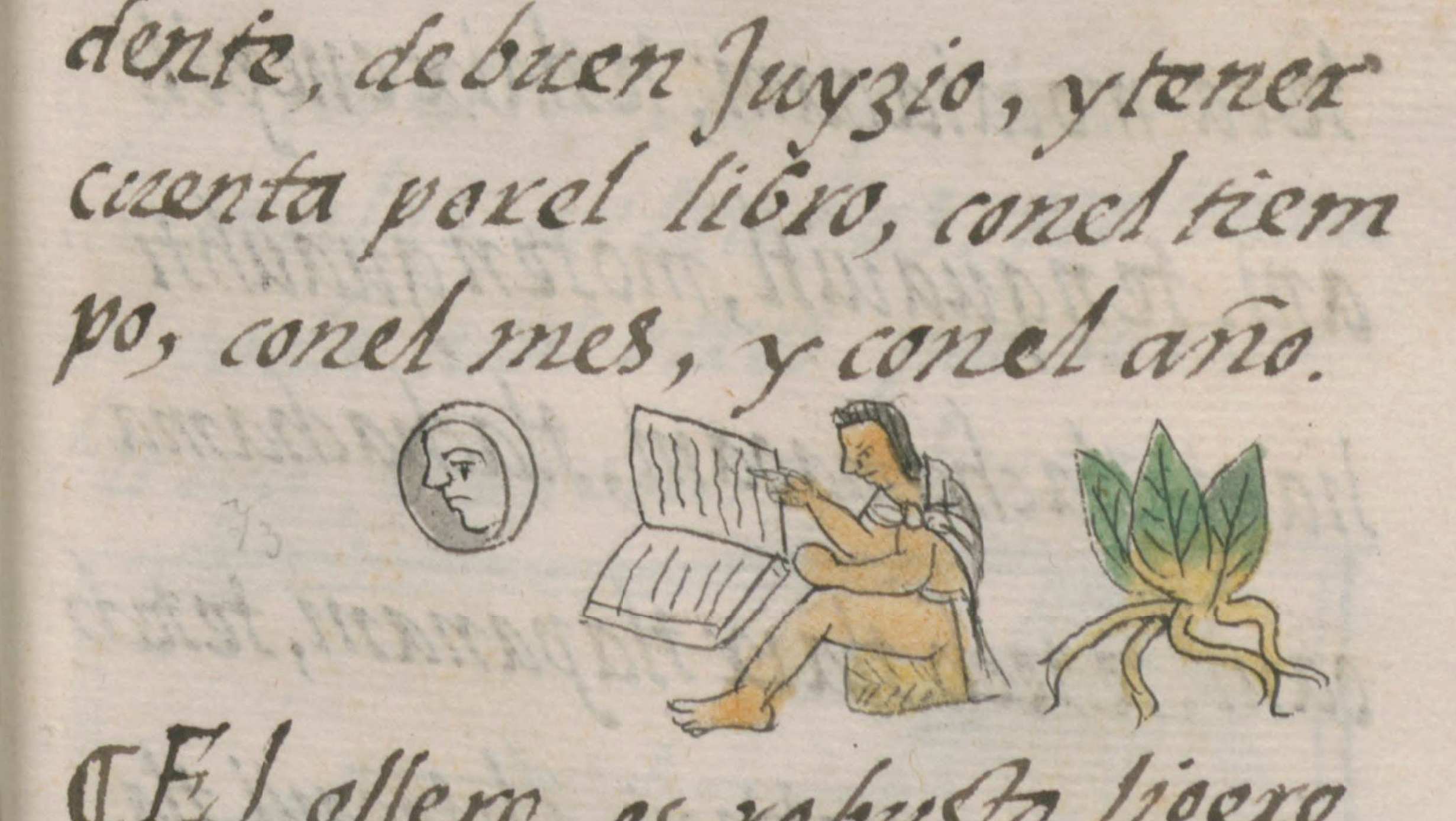
Burgos-Ellis said her research for “Aztec Science” draws from art, religion, sexuality and biology. Although she did not have a formal background in science, she studied the history of corn in scientific literature to gather evidence for her project. She also researched Aztec religion through primary sources such as the Codex Borgia, a pre-Columbian religious manuscript.
“We have to try to think much more broadly – across not just art history but the humanities, the sciences, social sciences,” Dean said. “That’s the way the cultures we’re studying thought. They didn’t isolate disciplines and separate them.”
[Related: Book review: Mariam Rahmani’s ‘Liquid’ lacks fluidity in its traversal through storylines]
Cooley said she admires the book’s ambition and specificity. She added that she commends Burgos-Ellis’ interpretation of the primary sources to uncover a scientific understanding from art.
“The story of corn is very much linked,” Burgos-Ellis said. “It is very much the story of Indigenous peoples.”




Comments are closed.