
This post was updated Oct. 20 at 10:44 p.m.
Amid the Trump administration’s efforts to overhaul childhood immunization policy, UCLA experts cautioned that declining vaccination rates could increase the risk of disease outbreaks on campus.
President Donald Trump signed an executive order in August that sought to reduce the recommended number of diseases children are vaccinated against from 17 to 11 and separate the combined measles, mumps and rubella vaccine into three individual shots.
With potential changes to federal vaccine guidelines, many UCLA students are uncertain about how this policy shift could impact them. The UC recommends that campuses use a separate vaccine policy determined by the California Department of Public Health, according to its policy on vaccination programs.
“Federal recommendations influence clinical practice, insurance coverage, public-health messaging, and individual decisions,” said Dr. Robert J. Kim-Farley, a professor in residence at the UCLA Fielding School of Public Health, in an emailed statement. “If the guidance becomes less clear or less trusted, vaccination rates may continue to decline, as they have been doing in the United States, increasing the risk of outbreaks on campus and in nearby communities.”
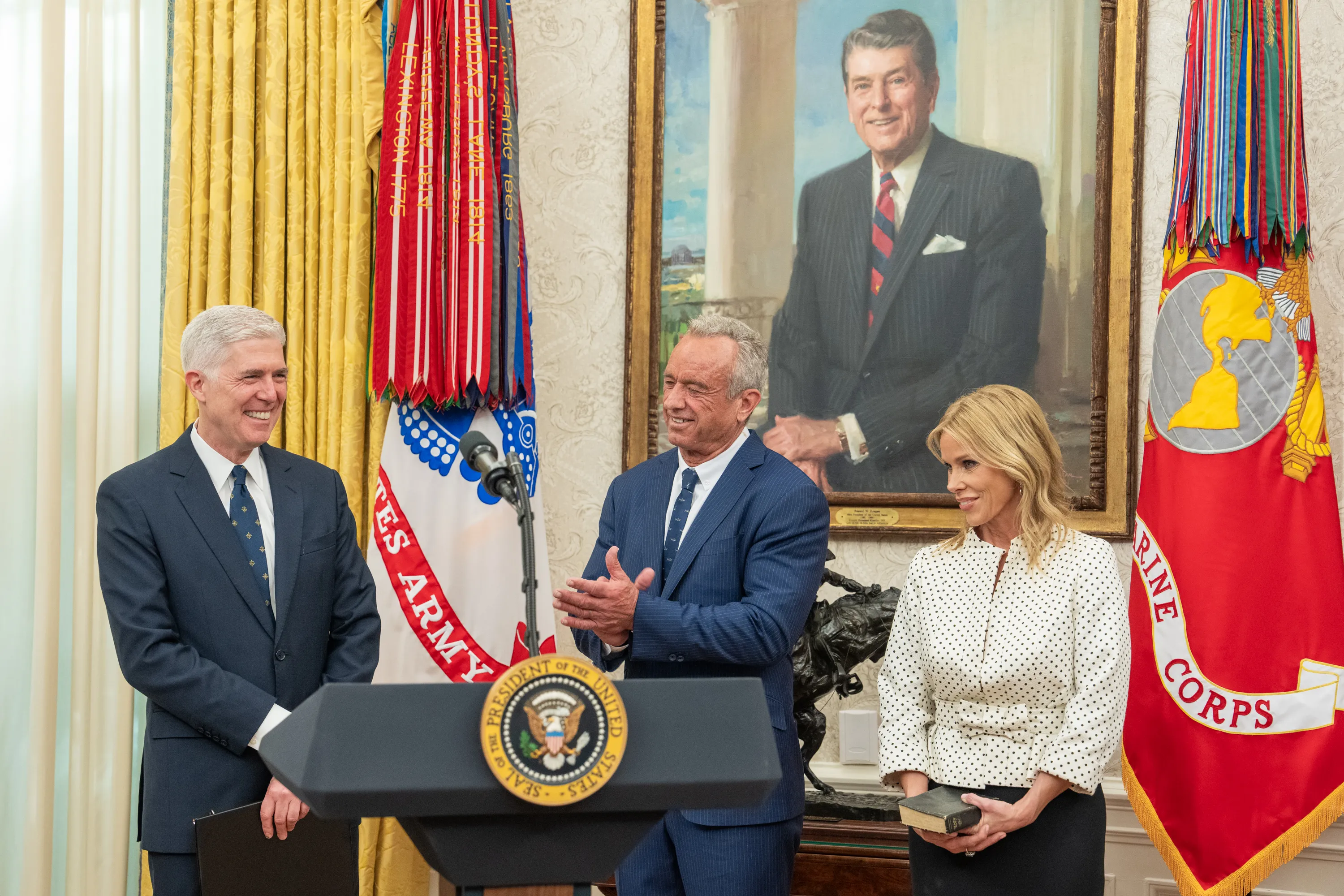
U.S. Health Secretary Robert F. Kennedy Jr. removed pregnant women and healthy children from the COVID-19 vaccine schedule in May 2025, according to NPR. In January, the Centers for Disease Control and Prevention reduced the number of vaccines recommended for children.
U.S. District Judge Brian Murphy issued a preliminary injunction in March that blocked the new vaccine schedule.
“There are a lot of moving parts here, but there aren’t any recent changes to the official federal vaccine guidelines,” said Lindsay Wiley, a professor of law and the faculty director of the Health Law and Policy Program at the UCLA School of Law, in an emailed statement.
Official guidelines are often used to determine school vaccine requirements, federal insurance coverage and access to federally funded vaccination programs, Wiley said in the statement.
While the executive order does not immediately establish a new vaccination policy nationwide, it could still influence clinicians or states that would prefer the new recommendations as an alternative, she added.
“Given the turmoil at the federal level, many states have initiated the process of disconnecting their school vaccination requirements from federal guidelines,” Wiley said in the statement. “Similarly, insurance companies have continued to cover vaccines that the official guidelines dropped recommendations for.”
The White House argued in the August executive order that the proposed vaccine policy is comparable to standards in Europe and gives parents more flexibility to make health-related decisions for their children.
Conflicting vaccine recommendations from federal and state health officials can create uncertainty and mistrust in communities, said Sung-Jae Lee, a professor in residence in the psychiatry and biobehavioral science departments at the UCLA David Geffen School of Medicine.
“Establishing public trust around vaccinations and vaccine recommendations is vital in order to protect the community as a whole,” he said.
Families with fewer resources face greater barriers to vaccination when changes in federal recommendations make it harder for them to access proper care, Lee said. Separating the combined MMR vaccine, he added, could require families to make additional appointments, costing them more time and money.
Lee said that current scientific evidence does not support the claim that a single combined MMR dose is harmful, adding that confusion surrounding vaccine information could lead to lower vaccination rates.
Dr. Rebecca Dudovitz, an associate professor of general pediatrics and vice chair of the Primary Care College in the School of Medicine, said in an emailed statement that she is especially concerned that the new recommendations could make it more difficult for families to obtain reliable medical information.
“As doctors, we can help patients think about what the right choice is for them, weighing known vaccine risks and benefits, based on decades of science,” Dudovitz said in the statement.
On campus, students have expressed opposition to the proposed changes.
Adam Azimi, a third-year public health student, said he is concerned that lower vaccination rates could increase the spread of diseases in crowded classrooms.
“Because lecture halls and dorms are so packed, diseases can spread really quickly on campus. Scaling back federal vaccine recommendations makes me a little nervous about winter quarter,” he said.
Sherman Chen, a third-year public health student, said he disapproves of the federal government’s push to reduce the recommended number of vaccines for children.
“In the future, they may be exposed to severe potential risks, which can be deadly,” he said.
Kim-Farley encouraged students to review their vaccination status with a qualified healthcare provider and remain up-to-date on recommended vaccines.
“Students often spend long periods in crowded classrooms, residence halls, dining facilities, and social settings, where communicable diseases can spread quickly,” he said in the statement. “That environment makes vigilance especially important; not only for one’s personal protection, but also for protecting classmates, roommates, faculty, staff, and community members who may be at greater risk of severe illness.”



Comments are closed.