
UCLA reported its first case of COVID-19 in on-campus housing Saturday, one of two new cases in the university community. A university staff member who lives in an on-campus apartment and a student who lives in off-campus housing not owned by the university tested positive for the novel coronavirus, UCLA announced Saturday. Read more...
Science & Health
Campus, News, Science & Health
|
March 25, 4:41 pm
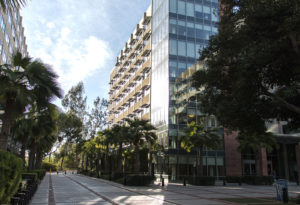
More than 80% of residents leave the Hill after decision to move classes online
This post was updated March 26 at 1:33 p.m. More than 80% of students living on the Hill have moved off campus and more are expected to trickle out, said a residential life official at an undergraduate student government meeting Tuesday. Read more...
Photo: Over 80% of students who live on the Hill have moved out following UCLA’s decision to move spring quarter online. (Daily Bruin file photo)
Campus, News, Science & Health
|
March 20, 7:47 pm
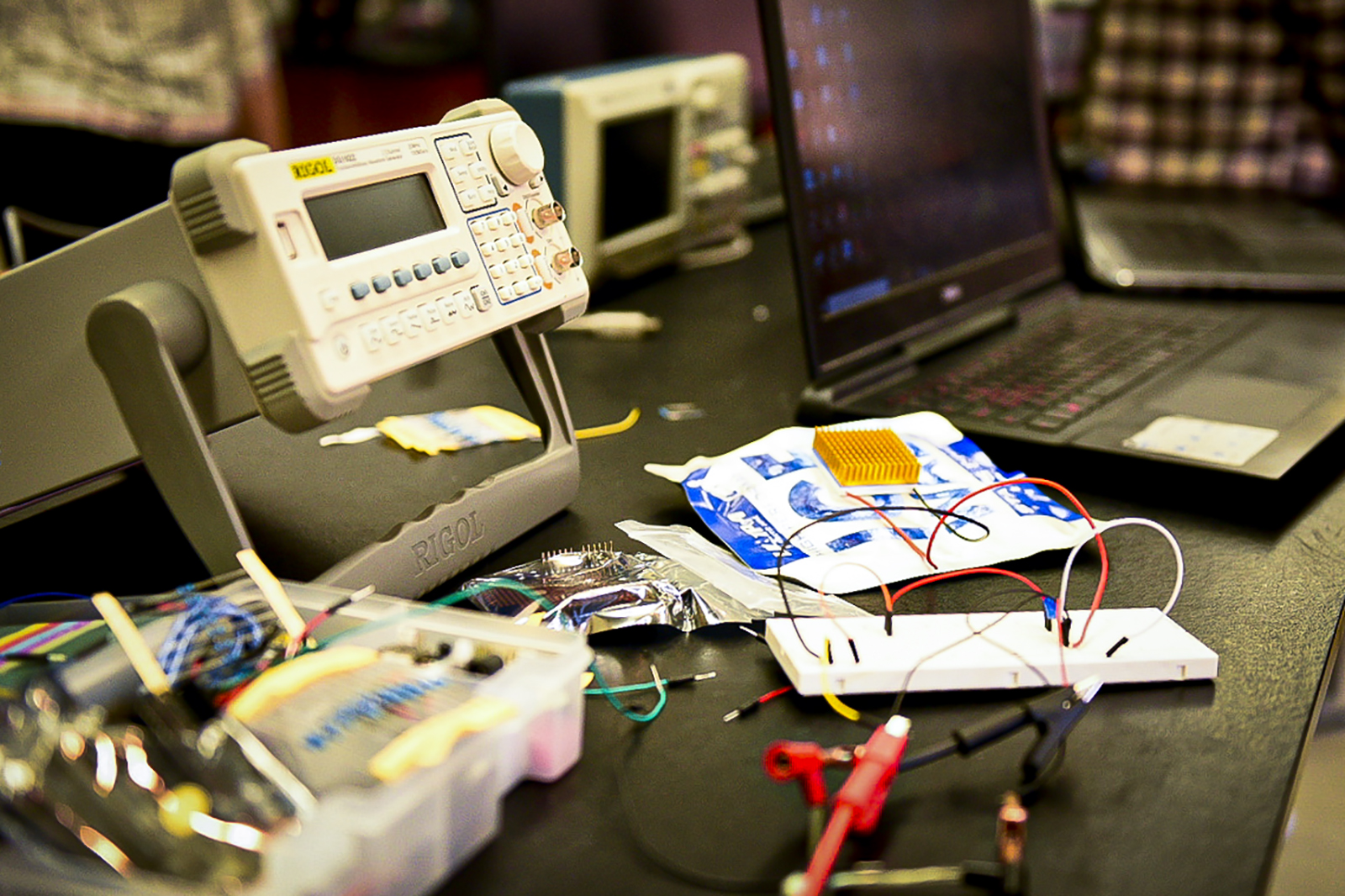
UCLA to suspend majority of nonessential on-campus research
Most on-campus research will shut down starting 11:59 p.m. on Friday, with the exception of that which cannot be done remotely, campus officials said. Researchers must obtain permission for essential experiments and for essential research personnel to remain on campus. Read more...
Photo: UCLA is shutting down most on-campus research following a “safer at home” order for Los Angeles County, officials announced Friday. Those who wish to continue must request permission. (Daily Bruin file photo)
News, Science & Health
|
March 16, 11:28 pm
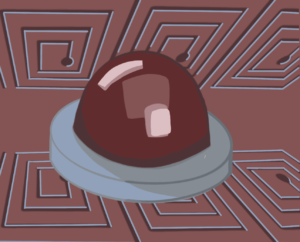
UCLA researchers develop magnetized robots capable of performing medical tasks
UCLA researchers have developed an automated, robotic framework that can perform an array of medical tasks previously done by humans. The microscale technology, which can perform blood processing, clinical work-ups, diagnostic testing, biomedical assays, sequence genetic material, and assist in the manufacture and development of pharmaceutical drugs, would eliminate the need for human contact and the risk of exposure to pathogens and chemical mutagens, which are critically harmful to an individual’s health. Read more...
Photo: (Emily Dembinski/Daily Bruin)
Campus, News, Science & Health
|
March 13, 1:13 pm
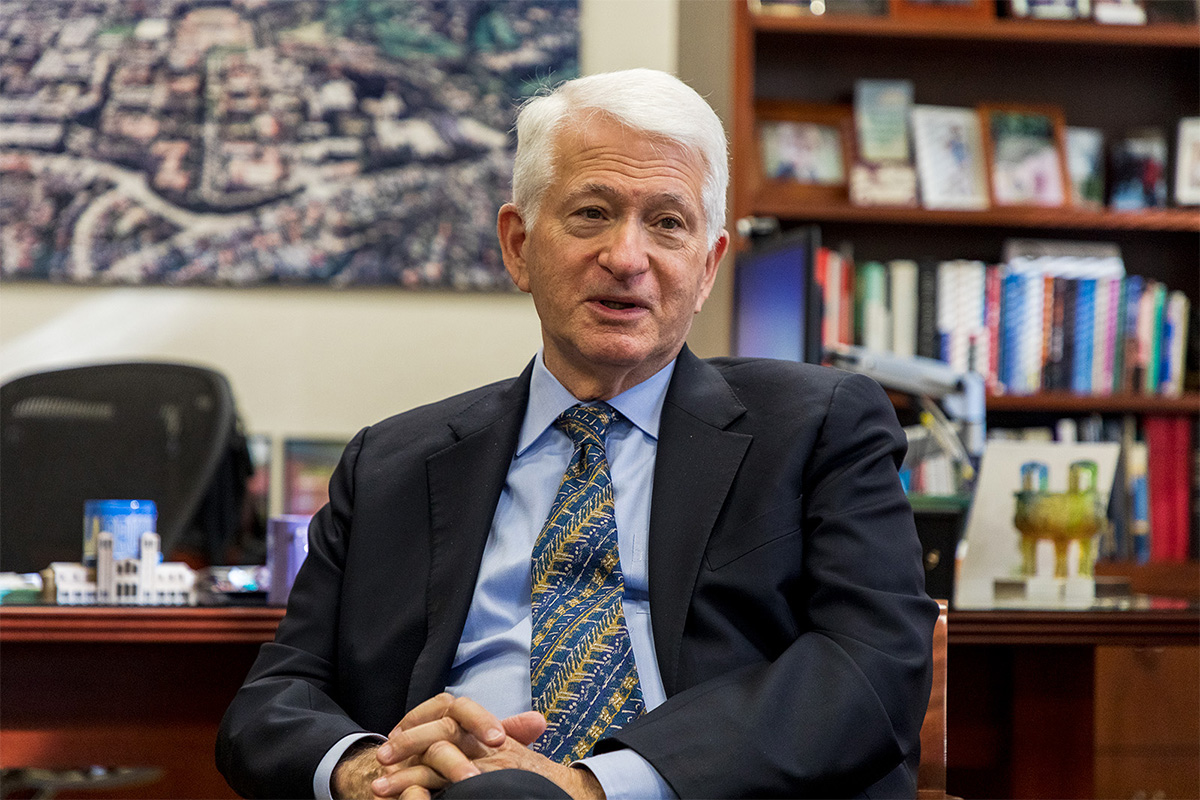
Gene Block announces 14-day self-quarantine amid COVID-19 concerns
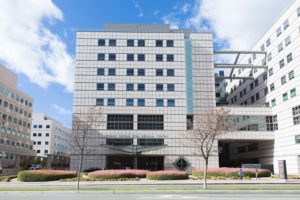
Chancellor Gene Block will self-quarantine for 14 days after coming in contact with someone with COVID-19, Block announced in a tweet Friday. The chancellor said he has no symptoms and will continue to run UCLA. Read more...
Photo: An asymptomatic Chancellor Gene Block will self-quarantine for 14 days after coming in contact with someone with COVID-19. (Kristie-Valerie Hoang/Daily Bruin senior staff)
Los Angeles, News, Science & Health
|
March 12, 11:18 pm
UCLA cardiologist accused of sexual assault should have license revoked, says judge
This post was updated March 7 at 11:07 a.m. Editor’s note: The Daily Bruin removed the full name of one of the accusers mentioned in the story to protect their safety. Read more...
Photo: A UCLA cardiologist is accused of sexually assaulting another doctor in 2015. An administrative law judge said his medical license should be revoked after finding convincing evidence. (Daily Bruin file photo)
Campus, News, Science & Health
|
March 12, 6:14 pm
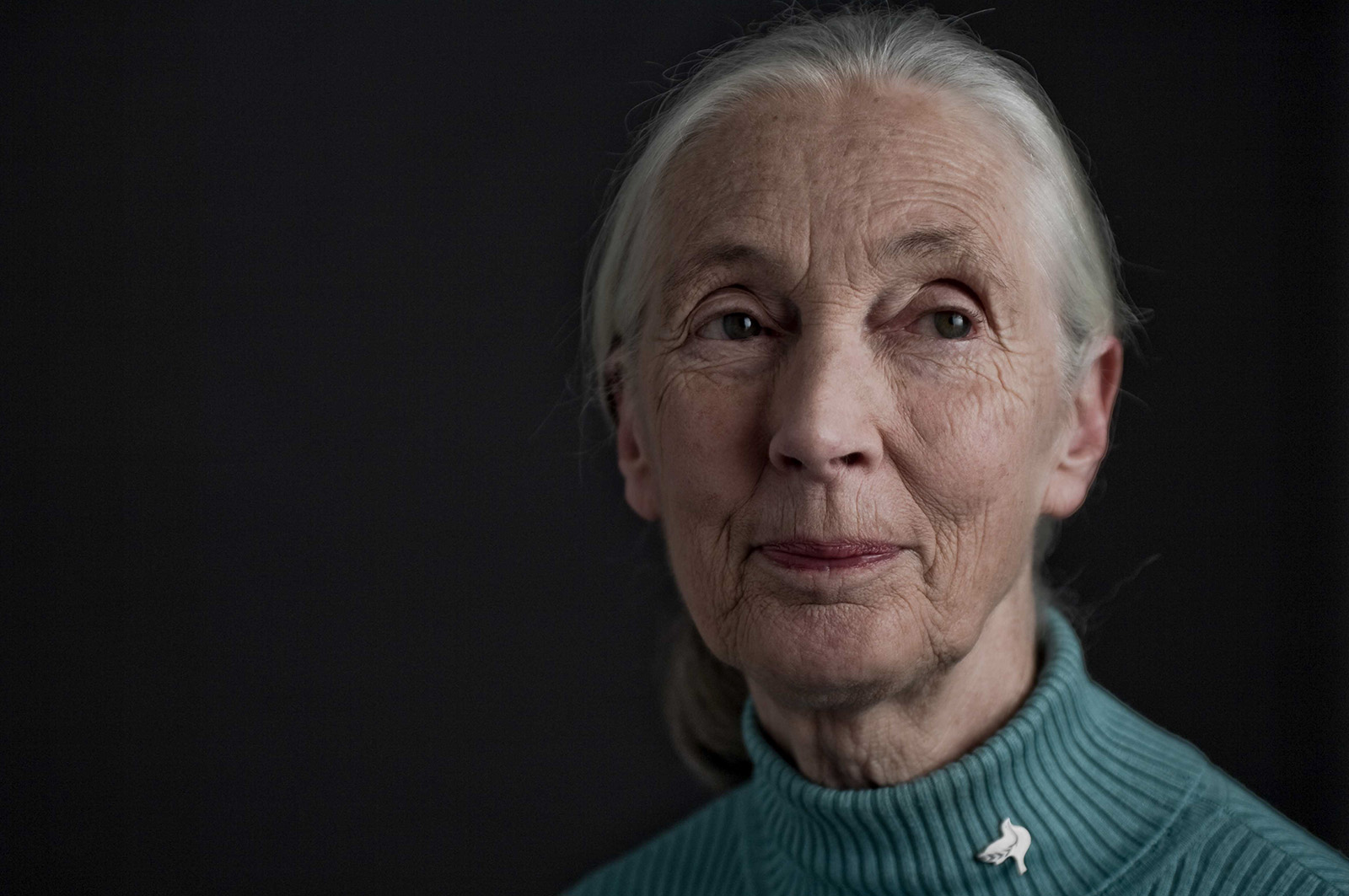
Jane Goodall lecture postponed in light of UCLA’s coronavirus response policies
UCLA has postponed a highly anticipated lecture with famed primatologist and anthropologist Jane Goodall, according to a university press release. The Luskin Lecture for Thought Leadership, where Goodall was slated to speak, has postponed the event from April 1 to an unspecified date in light of a new campus policy mandating that all in-person gatherings of more than 100 people on campus must be suspended or postponed. Read more...
Photo: The lecture of celebrated primatologist and anthropologist Jane Goodall, planned to take place at Royce Hall on April 1, has been postponed to a later, unspecified date. The change follows UCLA’s recent campus policy mandating that in-person campus gatherings of more than 100 people must be suspended or postponed. (Creative Commons photo by tim ives via Flickr)