Saturday, July 4

University of California commits to using 100 percent clean energy by 2025

The University of California announced Tuesday that it will use 100 percent clean electricity by 2025. All 10 UC campuses and five medical centers have committed to using solely zero-carbon and renewably generated electricity within a decade, according to a CALPIRG Students press release. Read more...

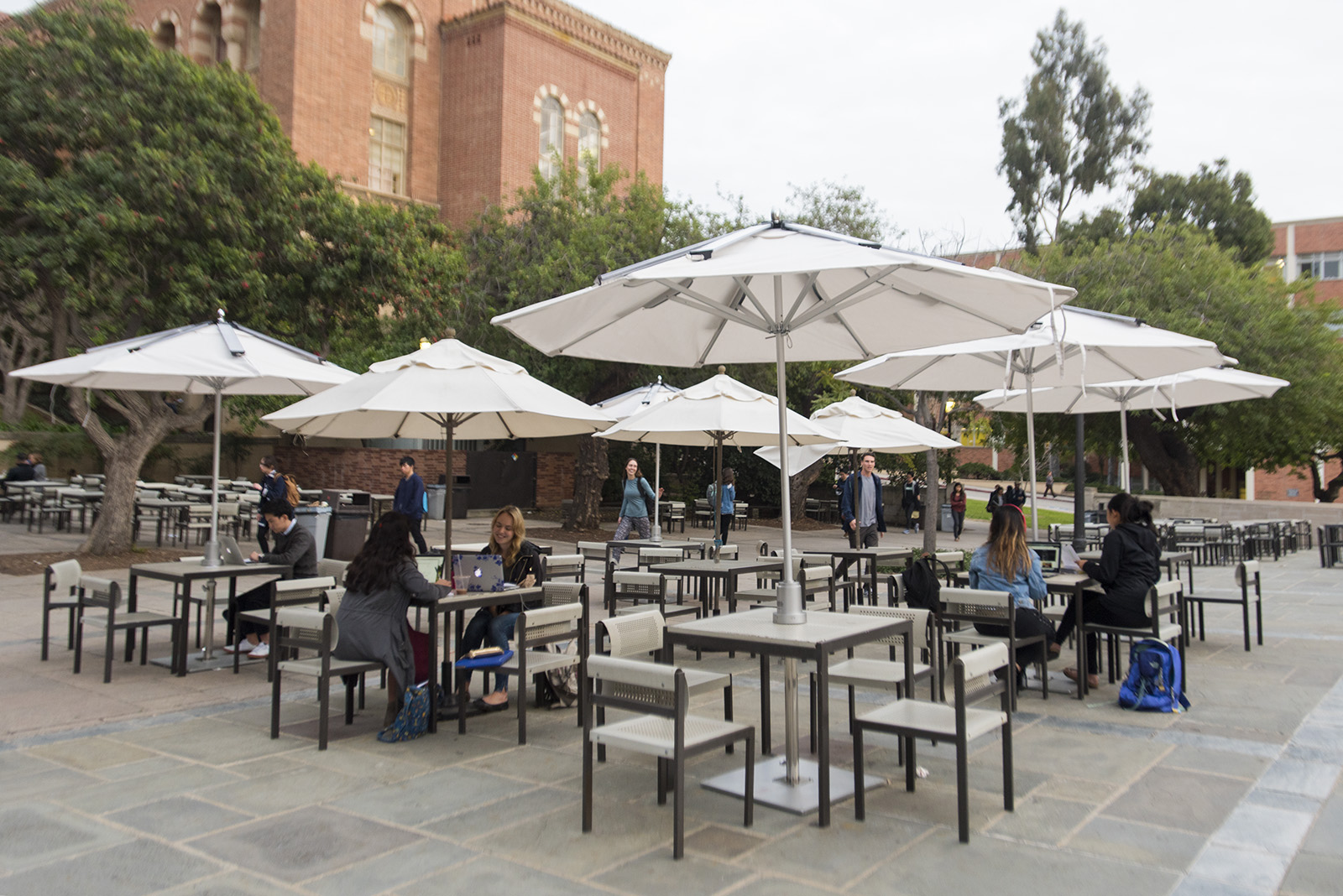
Photo: All 10 UC campuses and five medical centers have committed to using solely zero-carbon and renewably generated electricity within a decade. (Daily Bruin file photo)


UCLA researchers say coverage of pharmacy vaccines could curb disease spread

UCLA researchers found that requiring health insurers to cover adult vaccinations at pharmacies could prevent unnecessary deaths from diseases such as influenza, pneumonia and HPV, according to a study published Thursday. Read more...

Photo: California’s adult vaccination rates are far lower than federal recommendations, according to a study by UCLA researchers. (Daily Bruin file photo)


UCLA receives $9.3M grant to be used to provide free prostate cancer treatment

UCLA doctors received $9.3 million to help reduce the cost of prostate cancer treatment across California. The state of California awarded the grant to doctors in the UCLA urology department last week. Read more...

Photo: Doctors in the UCLA urology department received $9.3 million to fund the Improving Access, Counseling and Treatment for Californians program, an organization that provides free prostate cancer treatment to men in California who are underinsured or uninsured. (Daily Bruin file photo)


Associate professor builds connections between ant nests, human architecture

The secret to creating a building that will foster productive social interaction may lie in the nests of ants. Noa Pinter-Wollman, an associate professor of ecology and evolutionary biology at UCLA, outlined a new field that integrates architecture and evolutionary biology in a special edition of a prestigious scientific journal published by the Royal Society that will be published later this month. Read more...

Photo: (Nicole Anisgard Parra/Illustrations director)


Study suggests people across world can distinguish between real, fake laughter

UCLA researchers found that people from different parts of the world are able to differentiate between real laughter and fake laughter. The study, which was published Wednesday, observed 884 participants from 21 countries across six continents. Read more...

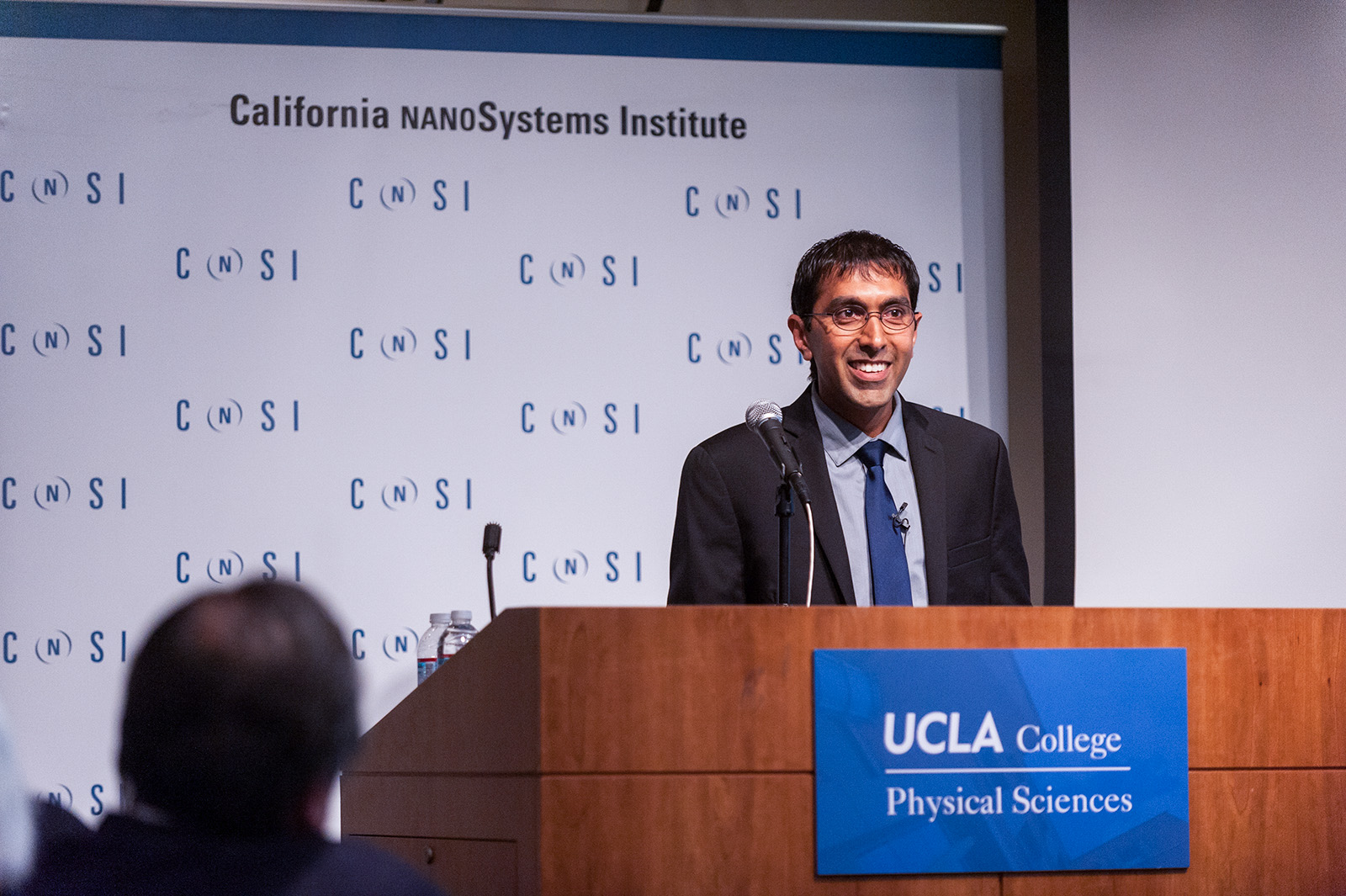
Photo: Greg Bryant, an associate professor in the department of communication, has been studying the nature of laughter for almost 10 years. His newest research built off a previous study he led in 2014 that indicated people could determine whether or not a laugh is genuine. (Daily Bruin file photo)


1 157 158 159 160 161 348