Sunday, July 5


UCLA researchers devise efficient, low-cost method for gene synthesis

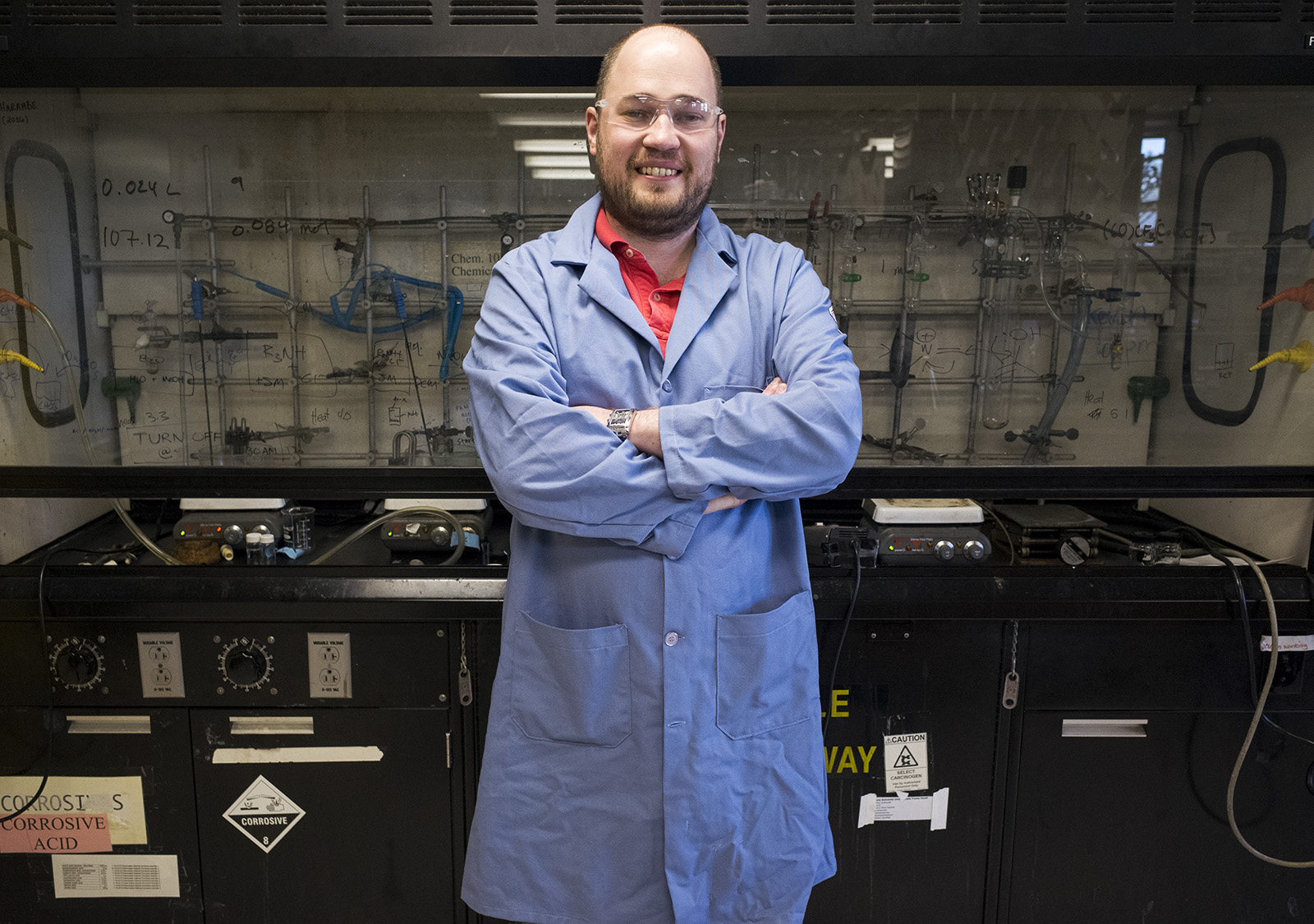
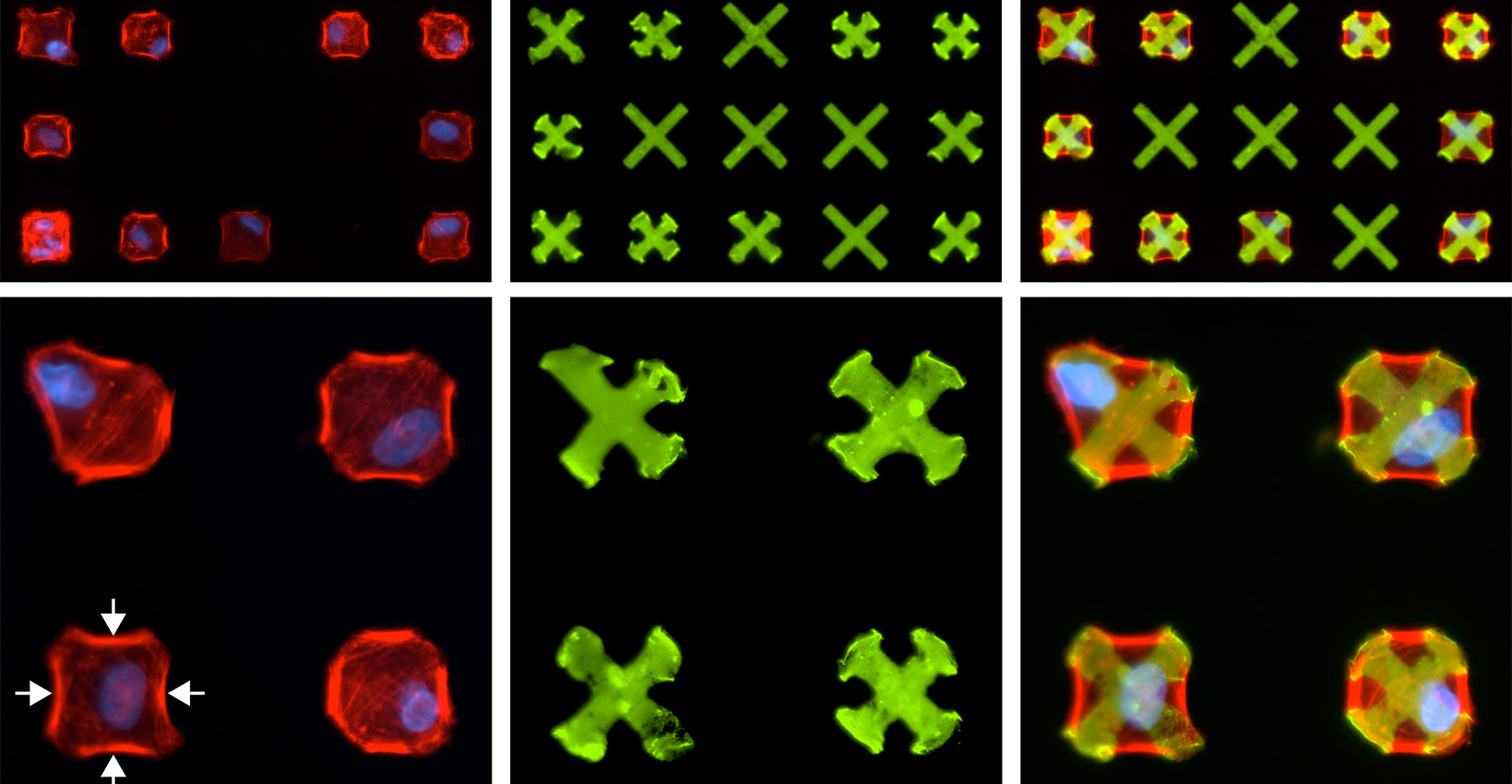
UCLA researchers have developed a new method of making genes that is about 100-times cheaper than current methods. Researchers in the department of chemistry and biochemistry and the Molecular Biology Institute created a new technique called DropSynth. Read more...

Photo: DropSynth is a new method for researchers to synthesize segments of DNA, which researchers use to study protein production, at a much lower cost. (Daily Bruin file photo)


UCLA research team finds that Ebola survivors retain immunity

UCLA researchers have discovered that Ebola survivors retain immunity to the virus even 40 years after contracting the disease. In a study published in December, UCLA researchers led by Anne Rimoin, associate professor of epidemiology, demonstrated that survivors of the 1976 Ebola outbreak in Central Africa still have antibodies against the Ebola virus. Read more...

Photo: UCLA researchers in the Democratic Republic of the Congo sampled the blood of Ebola survivors who had been infected 40 years ago and found they still had immunity against the disease. (Courtesy of UCLA-DRC Health Research and Training Program)


Researchers’ treatment helps anorexic patients see appearance holistically

UCLA researchers are developing a new treatment for patients with anorexia nervosa to help change the way they see their bodies. Jamie Feusner, a UCLA associate professor of psychiatry and director of the UCLA Eating Disorders and Body Dysmorphic Disorder Research Program, said the treatment his team is working on focuses on how patients unconsciously perceive their bodies, which he said is a less explored aspect of anorexia. Read more...

Photo: Jamie Feusner, the director of the UCLA Eating Disorders and Body Dysmorphic Disorder Research Program, is researching a new treatment focusing on how patients with anorexia nervosa can train to change the way they visually perceive their body. (Photo Courtesy of Chris Jon)


UCLA researchers study moral decision-making through mirror neurons

UCLA researchers found a way to study an individual’s neural activity to predict how they would act in a moral dilemma. In a study published last month, researchers at the Ahmanson-Lovelace Brain Mapping Center observed that a person’s neural activity in response to witnessing another person in pain may indicate whether they would inflict harm if it led to a greater good, according to a press release. Read more...

Photo: UCLA researchers found mirror neuron activity, which plays a vital role in feeling empathy, also predicts how individuals would act when facing a moral dilemma. (Daily Bruin file photo)


Professor and former students develop organic chemistry game app

A swipe of the finger across an iPhone screen launches molecules at targets through the open neck of an Erlenmeyer flask in an educational app a UCLA chemistry professor developed with his students. Read more...

Photo: A chemistry professor and his students are launching an app that teaches common organic chemistry concepts through a gameplay similar to that of “Angry Birds.” (Photo courtesy of Alexander Khambir/Course Hero)


1 171 172 173 174 175 348