Saturday, November 14

UCLA expands campus vending machines to offer 24/7 access to health essentials

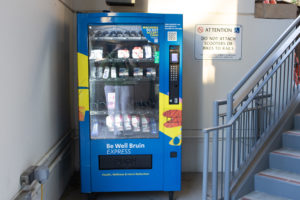
UCLA announced this month that it will expand the number and operating hours of essential health vending machines on campus. The Be Well Bruin Express – launched by UCLA Arthur Ashe Student Health and Wellness Center and UCLA’s Health Education and Resource Team in partnership with UCLA Vending Services – is stocked with a variety of health-related products and operates 24 hours a day outside the Ashe Center. Read more...

Photo: A Be Well Bruin Express vending machine is pictured. UCLA will expand the number and hours of vending machines stocked with a variety of health-related products around campus. (Charlie Hamilton/Daily Bruin senior staff)
UCLA Library’s Data Science Center closed amid consolidation effort

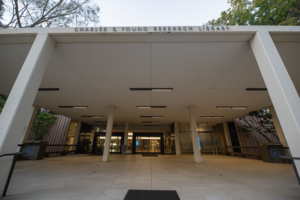
This post was updated Oct. 30 at 10:21 p.m. UCLA Library dissolved its data consultation center and stopped offering data analysis services in August. UCLA Library consolidated the Data Science Center into its research services unit as part of a broader effort to restructure the department, a spokesperson said in an emailed statement. Read more...

Photo: Charles E. Young Library is pictured. The library previously housed the UCLA Library Data Science Center, which was closed in August. (Andrew Ramiro Diaz/Photo editor)


UCLA to limit data sharing with ‘countries of concern’ in line with DOJ, NIH policies

This post was updated Oct. 25 at 11:31 p.m. UCLA will enforce a review process to limit the data that research faculty and staff share with certain foreign countries in line with guidance from the federal government, two vice chancellors announced Friday. Read more...

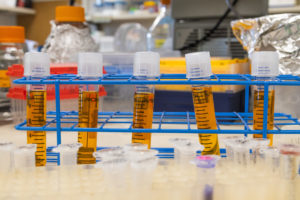
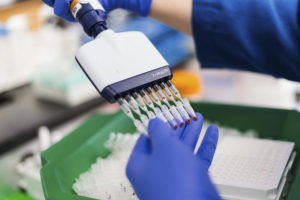
Photo: A researcher works with lab equipment. Following guidance from the federal government, UCLA will enforce a review process to limit the data that research faculty and staff share with certain foreign countries. (Daily Bruin file photo)


This UCLA lab uses Nobel-winning techniques on mice to better understand the brain

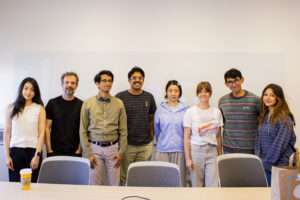
This post was updated Oct. 22 at 11:19 p.m. Using light rays to turn off and on certain regions of mice’s brains is a normal part of Avishek Adhikari’s day in his lab. Read more...

Photo: The Adhikari lab uses optogenetics – a Nobel-prize winning technique to study how mice respond to both fear and food. (Charlie Hamilton/Daily Bruin senior staff)

Why doesn’t UCLA’s on-campus hospital offer rape kits?

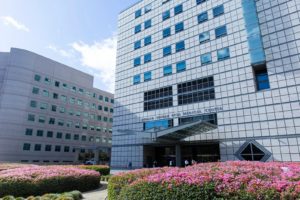
This post was updated Oct. 21 at 4:35 p.m. UCLA students who experience sexual assault must travel more than four miles off campus to access a rape kit. Read more...

Photo: The Ronald Reagan UCLA Medical Center is pictured. UCLA students living on campus must travel about four miles to undergo a sexual assault forensic exam, colloquially known as a rape kit, as the medical center doesn’t offer SAFE exams. (Daily Bruin file photo)


UCLA experts give warnings about declining vaccination rates

This post was updated Oct. 24 at 4:28 p.m. Amid the Trump administration’s efforts to overhaul childhood immunization policy, UCLA experts cautioned that declining vaccination rates could increase the risk of disease outbreaks on campus. Read more...

Photo: Despite the order, the UC recommends that campuses use a separate vaccine policy determined by the California Department of Public Health, according to its policy on vaccination programs. (Selin Filiz/Daily Bruin senior staff)


UCLA-affiliated institute seeks to develop synthetic livers with up to a $19.8M grant

This post was updated Oct. 20 at 5:11 p.m. A UCLA-affiliated research institute plans to revolutionize the liver transplant process by using up to a $19.8 million grant to create functional organs from cells. Read more...

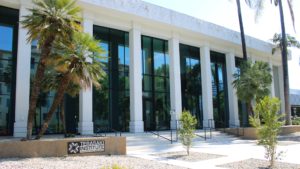
Photo: The Terasaki Institute for Biomedical Innovation is leading Prometheus, a new project with researchers from UCLA, Cornell University, Pennsylvania State University and other institutions to address a critical shortage of donor organs. (Courtesy of Angelica Cuanenem)